by striveabaconsultants | Sep 9, 2026 | ABA Therapy
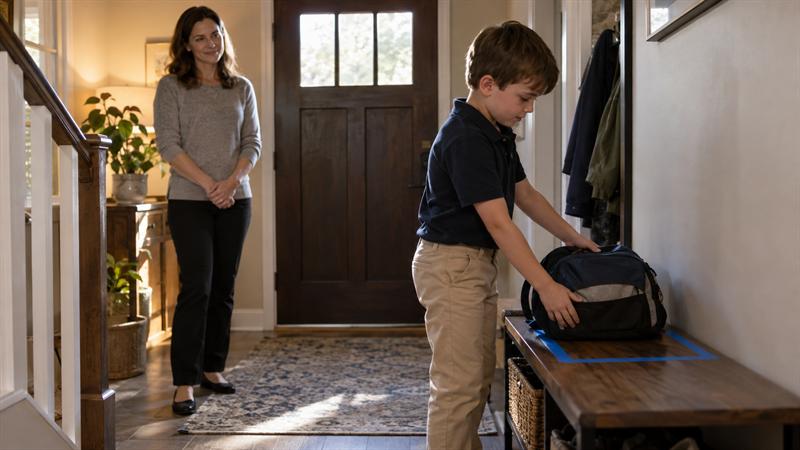
Quick Answer: Life skills goals for children often work best when they target one or two small after-school steps, pair them with clear cues, fade adult help over time, and reassess if the evening pattern stays stuck. At Strive ABA Consultants LLC, this window is a...

by striveabaconsultants | Sep 9, 2026 | ABA Therapy
Quick Answer: A change in the ABA therapist or schedule can feel disruptive, but it is usually manageable when the board-certified behavior analyst (BCBA) keeps the plan visible, the team has a clear handoff or transition plan, and the family supports re-engagement...
by striveabaconsultants | Sep 2, 2026 | ABA Therapy
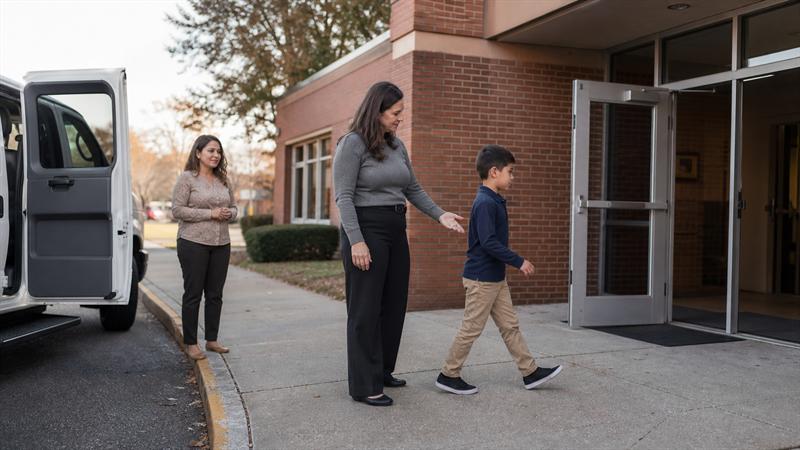
Quick Answer: ABA goals for the school year are most useful when they address the routines where a child needs support every day, rather than existing as a separate list of therapy targets. Families can choose a few functional priorities, coordinate communication...
by striveabaconsultants | Sep 2, 2026 | ABA Therapy
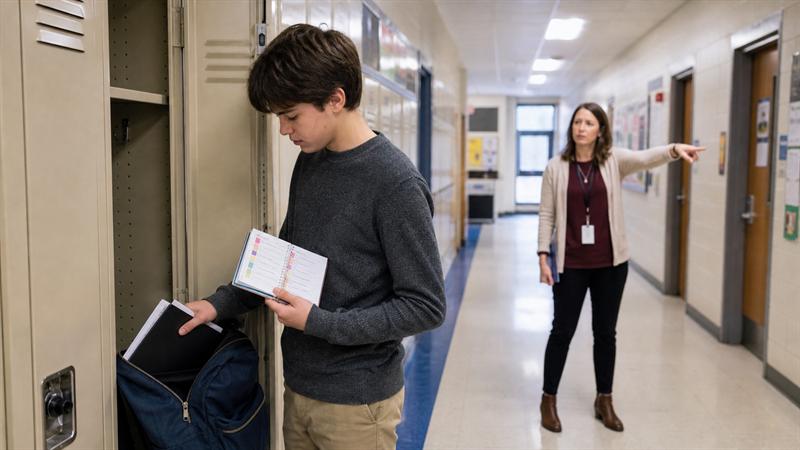
Moving to middle school or high school changes more than a student’s building. A day that once followed one classroom routine can become a series of transitions, assignments, peer interactions, digital systems, changing expectations, and decisions managed with less...
by striveabaconsultants | Sep 2, 2026 | ABA Therapy
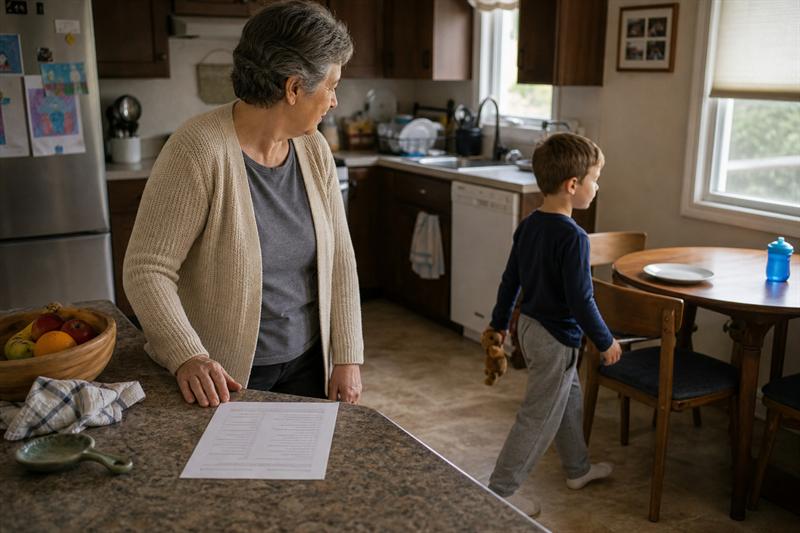
Families often find that supports working well at home are not clearly shared with the adults who help during work hours, evenings, school breaks, or family visits. Without a clear handoff, transitions can feel rushed, communication tools may be missed, and caregivers...