

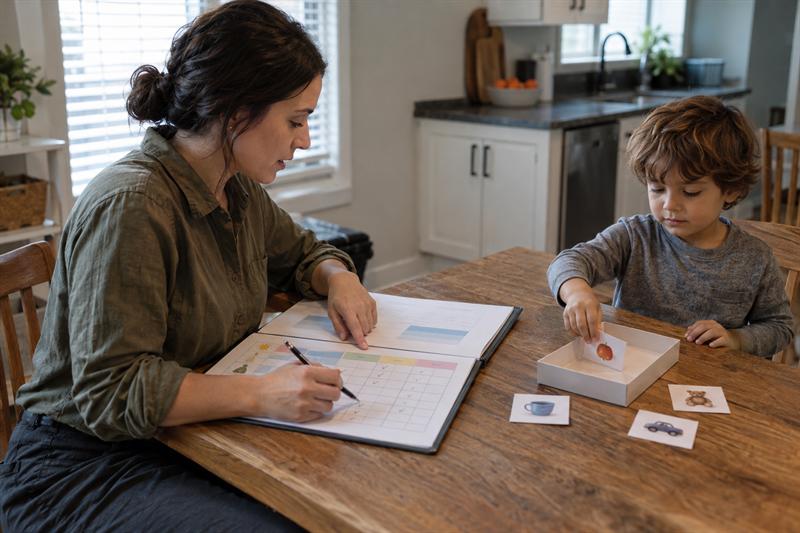
At Strive ABA Consultants LLC, families often ask whether a behavior plan is clear, practical, and tied to real daily needs. A strong behavior reduction plan is not just a list of concerns. It should connect behavior goals to routines, define what support looks like, and show how progress will be reviewed over time.
What a behavior reduction plan means in ABA
A behavior reduction plan in ABA is part of treatment planning that focuses on behaviors interfering with safety, participation, communication, or everyday routines. It should explain what behavior is being targeted, what patterns are showing up around it, what supports will be used, and what alternative skill is being taught.
In practical terms, a useful plan usually includes:
- a clear definition of the target behavior
- the routines or situations where it happens most often
- support strategies to prevent or respond to the behavior
- a replacement skill that serves the same immediate purpose in a more workable way
- a way to track whether the plan is helping
If a family is also trying to sort out who handles what, this guide to what ABA teams usually do and do not handle can help clarify service boundaries.
Why the term can sound more alarming than the plan actually is
The phrase “behavior reduction” often creates concern because it can sound like the goal is simply to stop behavior. That is usually where confusion starts. In a well-built plan, the focus is on reducing behaviors that are disrupting important parts of life while teaching safer, more workable responses.
Families may hear the label first and the explanation second. When that happens, the plan can sound harsher than it is. Clear documentation helps by showing what the child is being taught, what adults will do, and how the routine is expected to become more manageable.
The difference between reducing a behavior and teaching an alternative
Reducing a behavior is only one part of the plan. Teaching an alternative is what makes the plan usable in real life.
- Behavior reduction focuses on decreasing a behavior that is interfering with safety, participation, or routines.
- Skill building focuses on what the child can do instead, such as asking for help, requesting a break, waiting, following a transition cue, or using a communication support.
This is an area that can be missed in weaker plans. If the target behavior is written clearly but the replacement skill is vague, progress can stall. The child generally needs a response that is realistic in the moment, not just a rule about what not to do.
What behaviors may be included in a plan
Not every difficult moment belongs in a formal behavior plan. Behavior goals are usually included when the behavior is creating safety concerns, significantly disrupting routines, or limiting participation in learning, communication, or daily care.
The most useful plans stay specific. They focus on what is happening, where it is happening, and why it matters in that routine.
Behaviors that affect safety
Safety-related behaviors are often prioritized first because they affect immediate risk and routine stability. Depending on the setting, this might include aggression, elopement, self-injury, or dangerous climbing.
When safety concerns are described in broad language instead of a clear plan, adults may respond differently, and that inconsistency can make the routine harder to manage.
Behaviors that interfere with learning, routines, or communication
Some behaviors are not immediately dangerous but still interfere with daily life in a major way. Common examples include repeated refusal during transitions, ongoing disruption during mealtime, or behaviors that prevent a child from completing hygiene, dressing, or school-readiness routines.
This can come up in both home and school planning. The behavior may not look severe in one isolated moment, but when it shows up in the same routine again and again, it can start to block progress across the day.
Why not every difficult moment becomes a treatment goal
Every hard day does not need a formal goal. A plan becomes less useful when it tries to target everything at once. The most effective goals are tied to clear patterns, meaningful impact, and routines that families and teams need to improve first.
If too many concerns are added at once, the plan can lose focus. That may lead to vague data, uneven follow-through, and frustration because no one is sure what should be addressed first.
How behavior goals are chosen
Behavior goals should be chosen by looking at what is happening repeatedly, what is getting in the way, and what matters most in the child’s day. A practical starting point is to prioritize behaviors that affect safety, interrupt important routines, or keep the child from using more effective communication or coping skills.
For a broader breakdown of plan structure, what an ABA treatment plan should include gives helpful context for how behavior goals fit into the larger treatment process.
Looking at patterns, triggers, and what happens before and after the behavior
This is where the plan moves beyond labeling behavior and starts identifying what may be maintaining it. Teams usually look at what happens before the behavior, what follows it, and what the child may be trying to communicate or avoid in that moment.
The same behavior can show up in different routines for different reasons. For one child, dropping to the floor may happen when a preferred activity ends. For another, it may happen when a task is too hard or the instructions are unclear. That difference matters because the support should match the pattern, not just the behavior label.
Families trying to understand how assessment connects to planning can also review ABA treatment assessment vs. functional behavior assessment.
Considering family priorities and everyday routines
Good goals solve real problems in real routines. That usually means looking at what is making mornings harder, what breaks down during transitions, what limits participation in outings, or what creates repeated stress in care tasks like dressing, mealtime, or bedtime.
This is one of the clearest differences between a plan that looks complete and a plan that is actually usable. If the goal does not connect to a daily routine the family recognizes, it may not be carried over consistently.
Using measurable definitions instead of vague labels
Words like “defiant,” “bad behavior,” or “noncompliant” do not tell a family or a team what to watch for. A usable goal needs an observable definition.
- Too vague: “Has behavior problems during transitions”
- More measurable: “Drops to the floor, cries, or moves away from the adult during transitions from a preferred activity to a non-preferred activity”
Once the behavior is defined clearly, the team can see whether the same thing is being counted across home, school, and therapy settings.
What a family may see inside the plan
A clear behavior reduction plan should be readable even if the family is not used to clinical language. The plan should show what behavior is being tracked, what is being taught instead, what supports are being used, and how progress is being measured.
If those pieces are missing or too broad, review meetings can become confusing because people may not be working from the same definition.
Target behavior definition
The target behavior definition explains exactly what counts as the behavior and what does not. This gives everyone a shared description so that parents, therapists, teachers, and other caregivers are looking at the same thing.
If one adult counts yelling as the target behavior and another counts only throwing items, the data can become inconsistent and the plan becomes less useful for guiding decisions.
Replacement skill or alternative response
The replacement skill is the response the child is expected to use instead of the interfering behavior. It should be realistic for the child’s communication level and the routine where the problem is happening.
Examples might include asking for a break, using a visual cue, waiting for a short period, requesting help, or transitioning with a prompt. The key is that the alternative has to work in the actual situation. If it is too advanced or too vague, it may not hold up when the routine gets difficult.
Support strategies for prevention and response
Support strategies explain what adults will do before and during the routine. These may include visual supports, task adjustments, reinforcement, prompts, break options, or a more predictable sequence of steps.
Many families assume the behavior itself is the whole issue. In some cases, the routine setup is also part of the problem. When the support strategy is weak, the target behavior can keep returning because the setup never changed.
How progress is tracked
Progress is not tracked by guesswork. Teams may look at frequency, duration, intensity, or the amount of support needed. In many cases, the more meaningful shift is not just fewer incidents. It is that the child is using the replacement skill sooner, recovering faster, or getting through the routine with less help.
Families who want to understand how updates and trends should look over time can review ABA progress reports explained.
How these goals connect to daily routines
The strongest behavior goals are tied to specific routines, not abstract labels. This is where a plan becomes practical. Instead of simply stating that a behavior needs to decrease, the plan should show where support breaks down and what needs to happen differently in that part of the day.
Transitions
Transitions are one of the most common places behavior goals show up because they involve stopping one activity and moving into another. That is where refusal, disruption, or avoidance often starts.
A useful transition goal does not just say the child struggles with change. It identifies the moment that breaks down, such as leaving a preferred activity, moving into a task, or shifting locations, then pairs that with a support like a countdown, visual cue, or brief choice-making step.
Mealtime
Mealtime goals often focus on participation, communication, waiting, or tolerance for the routine itself. The plan may address how the child gets to the table, stays with the routine, requests what they need, or transitions out of the meal.
What matters most is that the behavior goal matches the routine problem. If the issue is actually the transition into mealtime, a plan that only focuses on behavior at the table may miss the point.
Bedtime
Bedtime routines often break down because several demands happen in sequence, such as cleanup, hygiene, changing clothes, reducing activity, and accepting limits around preferred items or screens. A behavior goal in this routine should identify which part of the sequence is causing the problem.
When bedtime goals are too broad, adults may respond differently from night to night. That inconsistency can lead to longer routines, more resistance, and weaker follow-through.
Community outings and school-related routines
Community and school routines add extra demands because the environment changes, waiting is harder, and communication supports are not always as easy to access. Goals in these settings often relate to safety, transitions, waiting, following a routine, or asking for help in a way that works across settings.
For school coordination, this guide to school behavior plan consistency can help families think through whether support is being carried out in a consistent way across the team.
The caregiver role in a behavior support plan
Caregivers are not expected to act like clinicians, but their role is central because they see what happens across the full day. They often notice the parts of the routine that are missing from the written plan, especially changes in schedule, sleep, sensory stress, or transitions between settings.
In review meetings, the written goal may look solid, but caregiver observations can help explain why the behavior increases in one setting and improves in another.
What consistency really means
Consistency does not mean doing everything perfectly. It usually means that the key support is recognizable and repeated often enough that the child knows what to expect.
For example, using the same transition cue each time is often more useful than giving a different long explanation in every difficult moment. Families who want a clearer system for that can review how to build a caregiver consistency plan for ABA support.
What families can share that improves the plan
Families often have the details that explain why the data looks uneven. Changes in transportation, poor sleep, illness, after-school fatigue, caregiver handoffs, or a new routine at home can all affect what the team sees.
Progress can look inconsistent until someone maps the routine more carefully. Once that context is added, the plan may need adjustment, not just more repetition of the same support.
Questions caregivers can ask during review meetings
Caregivers do not need technical training to ask useful review questions. A few clear questions can show whether the plan is specific enough to guide action.
- How is the target behavior being defined?
- What skill is being taught instead?
- What patterns are showing up across routines?
- What changes if progress has stalled?
- How should this look at home, school, or in the community?
How review and plan updates usually work
A behavior reduction plan should not stay static when the routine has changed, the goal has been met, or progress has leveled off. Review is where teams decide whether the current target still matters, whether the definition is clear enough, and whether the support is still practical.
This is often where families start to see the difference between a plan that is being actively managed and a plan that is just being carried forward. If review does not lead to clearer decisions, the same problems may continue under updated paperwork.
What data can show
Data should show more than whether a behavior happened. It can show when it is happening, how intense it is, how much support was needed, and whether the replacement skill is starting to appear more often.
Single incidents matter less than patterns. One hard week does not define the whole trend, but repeated difficulty in the same routine usually means the current plan is not matching what the child needs in that moment.
When a goal may need to change
A goal usually needs to change when it is too broad, no longer meaningful, consistently met, or disconnected from the current routine. It may also need revision when the replacement skill is unrealistic or the support strategy is too hard to use consistently.
If that is ignored, two things can happen: the team keeps tracking something that no longer matters, or they keep expecting improvement from a goal that is not built well enough to guide progress.
How routines, environments, and supports affect progress
Progress shifts when routines shift. School breaks, staffing changes, illness, transportation issues, new environments, and caregiver transitions can all affect how a plan works from day to day.
If there is a sudden increase in behavior after a routine change, the current support may no longer match the demand. That does not always mean the goal itself was wrong. In many cases, the context changed faster than the plan did.
If these signs are showing up, the plan likely needs active review:
- the same routine keeps breaking down even though everyone is trying to follow the plan
- the target behavior is tracked, but the replacement skill is still unclear or rarely used
- progress looks different across home, school, or community settings
- the routine changed, but the goal and support strategy stayed the same
When those patterns are present, the plan usually needs more than time. It needs review and adjustment.
When a family may need more evaluation before changing goals
Sometimes the issue is not just whether a goal should be adjusted. Sometimes the team needs clearer assessment information before major plan changes make sense. This is especially true when behavior patterns have changed significantly, current goals no longer fit daily needs, or there is still uncertainty about broader support needs.
Signs the team may need updated assessment information
Updated assessment information becomes more important when the current plan no longer explains what is happening. That usually shows up when old patterns have shifted, behavior is appearing in new routines, or the level of support needed has changed in a way the existing plan does not capture.
If the problem is treated like a simple goal issue when the bigger picture has changed, the next plan may become a revised version of the same confusion.
Where evaluations or reevaluations fit into broader care planning
Evaluations and reevaluations can help clarify current needs when a child’s support profile no longer matches older information. At Strive ABA Consultants LLC, autism evaluations and reevaluations may be part of care planning when families need a clearer understanding of current functioning, updated support needs, or better alignment between recommendations and daily routines.
That distinction matters. Reevaluation is not the answer to every behavior concern, but when the broader picture has changed, updated assessment information can support better goal-setting and better decisions about what needs attention first.
Key Takeaways
- A behavior reduction plan should explain a real routine problem, not just label a behavior.
- Good plans include replacement skills and support strategies, not only reduction targets.
- Clear behavior definitions can make home, school, and caregiver follow-through more consistent.
- Review matters because routines change, and behavior goals can stop working when the plan does not change with them.
- Caregiver observations often explain why progress looks different across settings or across weeks.
Conclusion
The real problem is not the phrase “behavior reduction plan.” The real problem is when the plan is too vague, too broad, or too disconnected from the routines where support is actually breaking down. When that goes unaddressed, behavior goals may stay on paper while transitions, care routines, school participation, and daily stress keep getting harder.
Families usually need more than a label. They need a plan that defines the behavior clearly, teaches a realistic alternative, matches the actual routine, and gets reviewed when the pattern changes. That is where better decisions start.
Strive ABA Consultants LLC can be a practical next step when a family needs clearer behavior planning, updated evaluation insight, or a better understanding of how behavior goals should connect to daily life. When the same problems keep showing up across routines, a clearer plan and a better review process are often what help move things forward.
FAQ
What is a behavior reduction plan in ABA?
A behavior reduction plan in ABA is a part of treatment planning that focuses on behaviors that interfere with safety, participation, communication, or routines. It typically includes the target behavior, the routine where it shows up, the support strategy, the replacement skill, and the way progress is tracked.
What matters most is that the plan is usable. For example, “has behavior during transitions” is too vague to guide anyone. A stronger plan defines what the behavior looks like during a specific transition and what the child is expected to do instead.
How are behavior goals chosen in an ABA treatment plan?
Behavior goals are usually chosen based on impact. Teams look at what affects safety, blocks participation, disrupts daily routines, or keeps the child from using more effective communication or coping skills.
The strongest goals come from repeated patterns, not isolated moments. If a child struggles every morning with getting dressed and leaving the house, that repeated routine problem is more useful to target than a one-time difficult event that does not reflect the larger day-to-day need.
Does a behavior reduction plan only focus on stopping behaviors?
No. A strong plan should include what behavior is being reduced and what skill is being taught in its place. Without that second part, the plan can become reactive instead of instructive.
For example, if a child throws materials during a task, the plan should not stop at tracking throwing. It should also show what the child can do instead, such as asking for help, requesting a break, or completing a shorter step with support. That distinction changes whether the plan actually builds progress.
What role do parents or caregivers play in a behavior support plan?
Caregivers often provide the routine-level information that makes the plan more accurate. They see the transitions between settings, the schedule changes, and the stress points that are easy to miss in shorter observations.
Consistency is the part that gets misunderstood most. It does not mean flawless implementation. It usually means using the same core support often enough that the child starts to recognize the routine and the expected response.
How often should a behavior reduction plan be reviewed or updated?
A behavior reduction plan should be reviewed whenever the goal no longer matches the routine, progress has leveled off, the support is too hard to use, or the child has already met the goal. Plans lose value when they stay unchanged after the routine has changed.
What families should expect is not constant rewriting, but active review. If the same routine keeps failing and the plan has not been updated to reflect that, the process usually needs closer attention.
What if a behavior goal is not improving?
If a behavior goal is not improving, the first question is not whether the child is refusing to cooperate. The first question is whether the goal is specific enough, whether the replacement skill is realistic, and whether the support still fits the routine.
Sometimes the problem is not effort. The problem is that the plan is tracking a broad label instead of a defined pattern. When that happens, the team cannot respond consistently, and progress may stall for reasons built into the goal itself.