
by striveabaconsultants | Oct 22, 2026 | ABA Therapy
At Strive ABA Consultants LLC, this is a point where many families feel stuck. The evaluation or intake process may be moving forward, but the first actual session still feels unclear. Families are often told what ABA is, but not given a simple plan for how to get...

by striveabaconsultants | Oct 22, 2026 | ABA Therapy
For many families, “what is ABA therapy” becomes an urgent question after a recommendation, diagnosis, or evaluation discussion. At Strive ABA Consultants LLC, this comes up early because families are often introduced to ABA through paperwork, referrals, or role...

by striveabaconsultants | Oct 22, 2026 | ABA Therapy
At Strive ABA Consultants LLC, this question usually comes up when something starts to feel off. The schedule changed, school expectations shifted, a new caregiver stepped in, or a child who was doing well in sessions is struggling to use the same skills at home....
by striveabaconsultants | Oct 22, 2026 | ABA Therapy
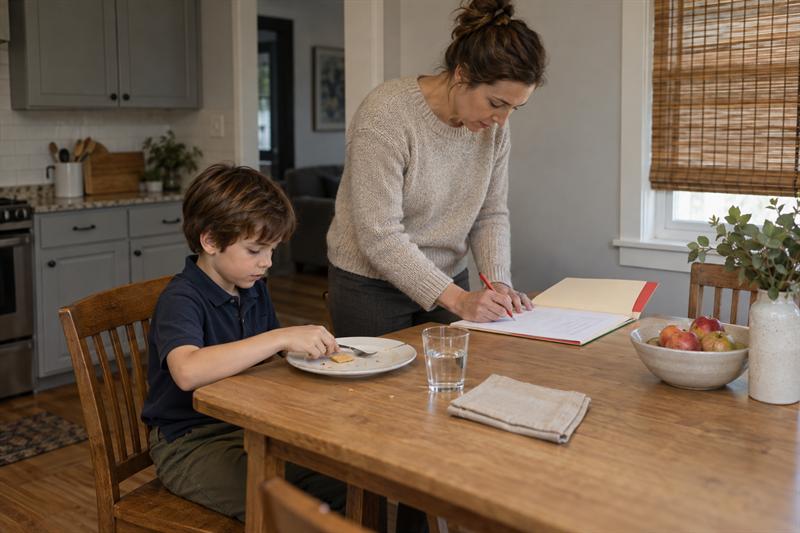
At Strive ABA Consultants LLC, families often ask this question after small problems start to build. A school routine changes, a new caregiver steps in, skills show up in session but not at home, or the goals on paper stop matching the situations that are actually...

by striveabaconsultants | Oct 22, 2026 | ABA Therapy
At Strive ABA Consultants LLC, this kind of coordination problem can show up early and become harder to untangle over time. Families may be managing behavior concerns, school feedback, home stress, and provider recommendations at once, but no one has clearly separated...
by striveabaconsultants | Oct 22, 2026 | ABA Therapy
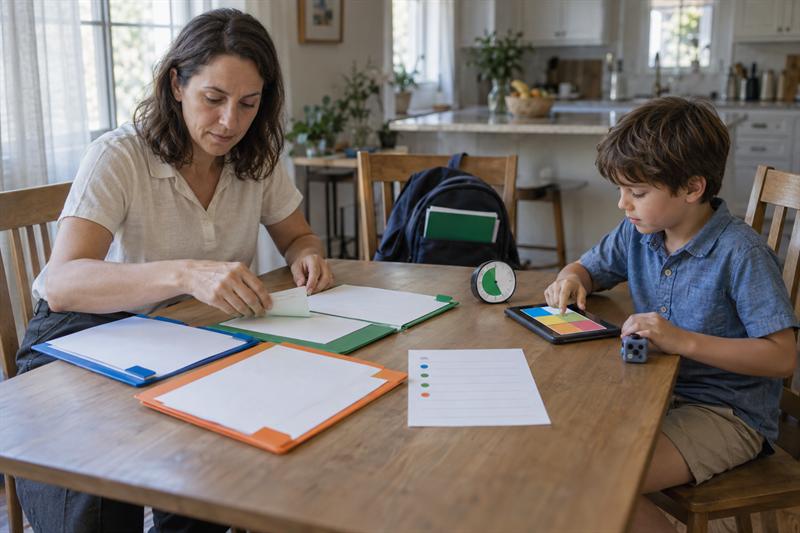
At Strive ABA Consultants LLC, families often ask how several services are supposed to work together without overlapping or pulling in different directions. The issue is often not too many supports. It is several people addressing the same need from different angles...

by striveabaconsultants | Oct 22, 2026 | ABA Therapy
At Strive ABA Consultants LLC, a common challenge is that families are communicating, but the information is scattered across texts, notebooks, pickup conversations, and memory. That is where problems can start. Small details get missed, routines drift, and support...

by striveabaconsultants | Oct 22, 2026 | ABA Therapy
At Strive ABA Consultants LLC, this process often starts with one clear concern: the same part of the day keeps going off track, and nothing stays consistent long enough to improve it. Families are usually not looking for a broad definition of ABA. They want to know...
by striveabaconsultants | Oct 22, 2026 | ABA Therapy
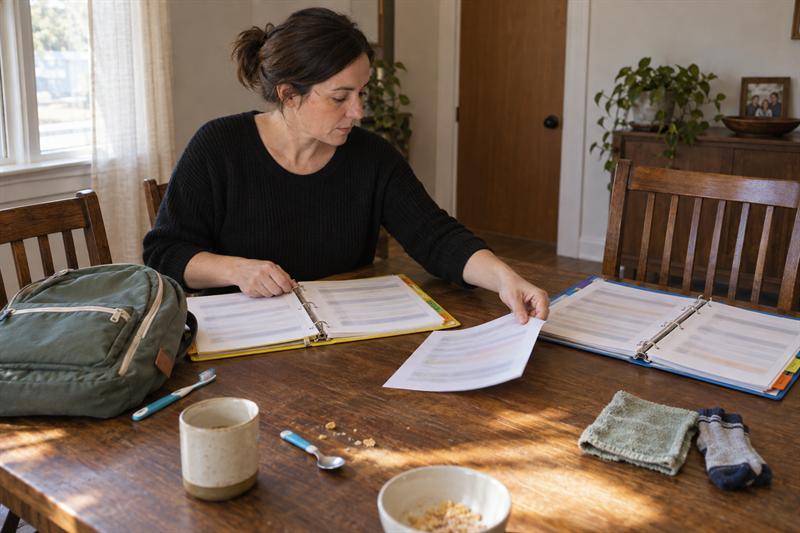
When families compare school-based ABA vs home ABA, the real question is not which one sounds better. The real question is where support is breaking down, what needs to change in that setting, and how to keep school and home efforts from pulling in different...

by striveabaconsultants | Oct 22, 2026 | ABA Therapy
At Strive ABA Consultants LLC, families often ask whether a behavior plan is clear, practical, and tied to real daily needs. A strong behavior reduction plan is not just a list of concerns. It should connect behavior goals to routines, define what support looks like,...