
by striveabaconsultants | Sep 17, 2026 | ABA Therapy
Introduction The practical question behind an ABA consultation vs. assessment comparison is what each appointment will accomplish. Before arranging transportation or bringing your child, you need to know who will participate, what information is needed, and whether...

by striveabaconsultants | Sep 17, 2026 | ABA Therapy
Quick Answer: BCBA and RBT are different titles, but the initials alone do not show who directs your child’s care. A Board Certified Behavior Analyst assesses needs, directs, and reviews ABA treatment, while a Registered Behavior Technician delivers direct services...

by striveabaconsultants | Sep 17, 2026 | ABA Therapy
Understanding what happens in an ABA session means looking beyond the activities to their purpose. A game, a visual schedule, or a short practice task should connect to a meaningful skill, with support that responds to the child. For families considering Strive ABA...

by striveabaconsultants | Sep 9, 2026 | ABA Therapy
Quick Answer: The main decision problem is whether a social skills group will extend your child’s current ABA plan or simply add another setting where skills do not transfer. A social skills group can complement individual ABA therapy when it targets skills...
by striveabaconsultants | Sep 9, 2026 | ABA Therapy
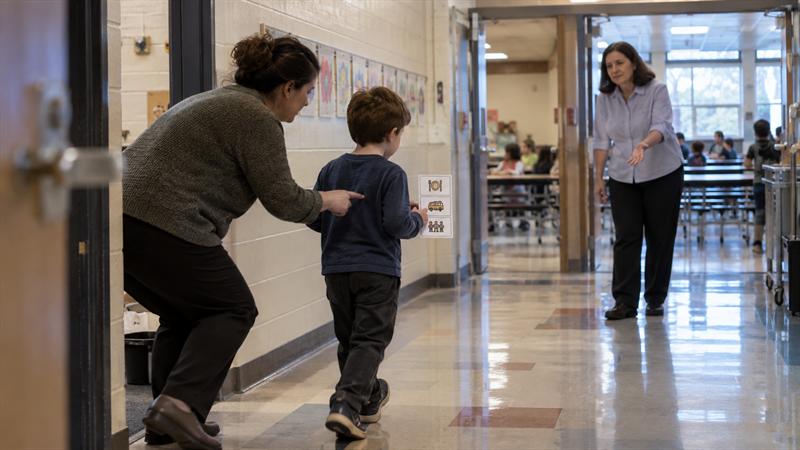
Why Daily Transitions Are a Common Break Point for Behavior Support Transitions break not simply because the student is moving from one task to another, but because the shift also brings a new audience, new noise level, new adult cues, and the loss of the previous...