

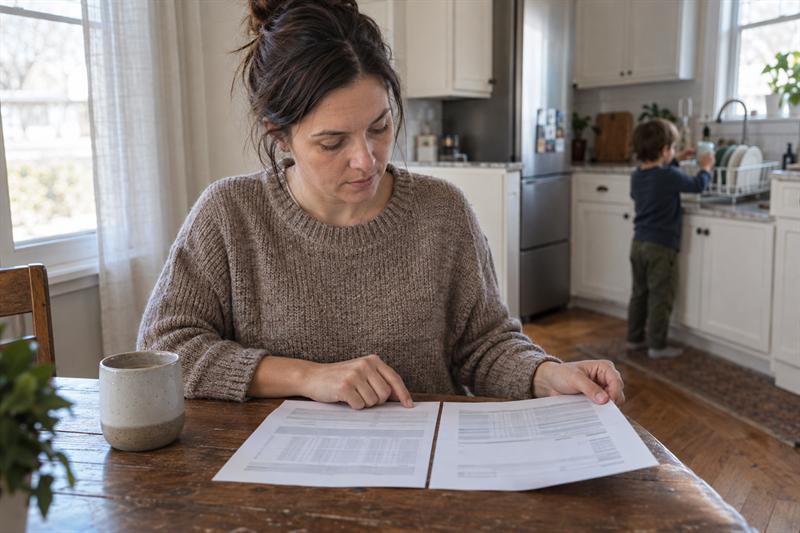
At Strive ABA Consultants LLC, this is a common source of confusion for families already in services. They receive a progress report with percentages, graphs, or short summaries, but the main question can still feel unanswered: Is this helping in a meaningful way?
That is where confusion builds. A progress report should make it easier to understand what is improving, what is still difficult, and what the team plans to change next. If it does not, families may be left guessing whether the treatment plan still fits.
What an ABA progress report is meant to show
An ABA progress report is an ongoing update on treatment goals, performance data, and plan adjustments. It should show what skills are being worked on, how the child is responding, and whether the plan is being updated based on that response.
The report is not just paperwork. It should connect day-to-day treatment to larger decisions about what should continue, what should change, and where more support is still needed.
Why progress reports matter during active services
Progress reports matter because they are one of the clearest places families can see whether therapy is moving toward useful outcomes. A good report helps explain whether changes are happening in communication, routines, transitions, safety, or other daily-life skills that affect home, school, or community participation.
Families often notice the same problem: the report sounds positive, but the details still feel unclear. A common pattern is reassuring language without enough explanation of what improved, how stable that improvement is, or what still needs work. That can make treatment planning harder to follow.
How progress reports differ from initial evaluations and reevaluations
An initial evaluation identifies needs and helps determine whether services are appropriate. A progress report looks at what is happening during active treatment. A reevaluation takes a broader look at whether the current treatment direction still makes sense and what may need to change over the next phase of care.
That distinction matters. If a family is trying to understand whether a goal is moving, a progress report should answer that. If the bigger question is whether the overall plan still fits the child’s needs, a broader review such as what an ABA reevaluation report should explain becomes more relevant.
What families will usually see in an ABA progress report
Most ABA progress reports include the same basic parts, even if the format changes from provider to provider. Strong reports make those parts easy to connect. Weaker reports list them without helping families understand how they fit together.
Current goals and target skills
Families should expect to see specific goals and target skills listed clearly. These goals often address communication, transitions, self-help, safety, social interaction, or daily routines.
The key question is whether the goal is observable and measurable. “Improve communication” is too broad to tell a family much. A stronger goal makes clear what the child is expected to do, under what conditions, and how progress will be counted. This becomes easier to understand when goals are tied back to the larger structure of an ABA treatment plan.
Behavior data and trend summaries
Progress reports often include percentages, frequency counts, duration data, or brief graph summaries. Those numbers are only useful when they are paired with explanation.
If a report shows a skill moving from one level to another, families still need to know what that number measures, whether the change held over time, and what level of support was needed. One common problem is data without interpretation. When that happens, it is easy to focus on the number itself instead of the quality and consistency of the skill.
Notes on prompting, independence, and setting changes
This is one of the most important parts of a progress report, and it is also easy to overlook. A child may perform well during sessions and still rely heavily on verbal, gestural, or physical prompts.
This is something families can run into in reports that look strong at first glance. The number improves, but the independence does not. If prompting is not fading, the skill may not be as stable as it appears. For a closer look at why that matters, families can review prompting in ABA and when support is faded.
Recommended plan updates
A strong progress report should explain what happens next. That includes whether goals are staying the same, being revised, being replaced, or being expanded.
This is where active treatment planning should show up. If a report repeats the same goals and uses similar wording across multiple review periods without explaining why, the family may not be getting a clear picture of how the plan is being adjusted.
How to tell whether goals are clear and meaningful
Not every goal that sounds professional is useful in practice. Families need to know whether the goals in a progress report are clear enough to measure and meaningful enough to matter in daily life.
What a measurable goal looks like
A measurable goal names the skill, the condition, and the success criteria. It tells the reader what the child is expected to do and how the team will know the goal is being met.
For example, “will improve transitions” is vague. “Will transition from one activity to another with no more than one verbal prompt across repeated opportunities” gives a family something they can actually track. That kind of wording also makes later progress updates easier to understand because the target is concrete from the start.
Why functional relevance matters more than impressive wording
The most meaningful goals are the ones that help the child function more effectively in real settings. Communication, tolerance for routines, following safety directions, requesting help, and managing daily living tasks are generally more useful than goals that sound advanced but have little carryover.
A common pattern is that families are shown progress on a narrow target but still struggle with the same practical problems at home. That may mean the goal is measurable without being strong enough to change day-to-day life. If the skill does not help in real routines, the report needs a closer look.
How to read ABA data trends without getting lost in the numbers
Families do not need to become data analysts to understand an ABA progress report. They do need a simple way to read trend patterns and understand what those patterns can mean for treatment decisions.
Upward trends, flat trends, and variable trends
An upward trend usually means performance is improving. That is encouraging, but it still needs context. If the improvement only happens with one therapist, in one room, or with the same prompts each time, the skill may not be fully established yet.
A flat trend usually means something needs a closer review. That could be the goal itself, the teaching approach, the child’s readiness for that target, or how consistently support is happening across settings. If flat trends are ignored, goals can stay in place too long and treatment may lose direction.
A variable trend means performance is inconsistent. This often shows up when a child can do the skill some days or in some settings, but not reliably across people, routines, or expectations. Families may see flashes of success without stable carryover, which makes next steps harder to judge.
Why one strong week does not always mean mastery
One strong week is encouraging, but it does not mean the skill is mastered. Mastery usually requires consistency across repeated opportunities and enough stability that the skill holds over time.
This is one of the most common misunderstandings in progress reporting. A child may hit a target during a short stretch, then drop back when the routine changes, the therapist changes, or the level of prompting changes. When that happens, the skill may not be durable yet.
What to notice about prompt levels and independence
If a report shows improved responding but does not show reduced prompting, the family still needs more information. A child who succeeds only after repeated cues is in a different place than a child who initiates or responds independently.
If you are seeing strong percentages with little mention of fading support, the report may be missing a key part of the picture. Independence changes the meaning of the data. Without that detail, it is easy to overestimate progress.
Signs a treatment update is responsive, not routine
A responsive update explains why the plan is changing and what the team expects next. A routine update simply records that services are continuing.
The difference matters because treatment can lose value when goals stay active by default instead of being reviewed with purpose. Reports should show active decision-making, not just repeated documentation.
When goals should be advanced, revised, or replaced
Goals are usually advanced when the skill is becoming stable and more independent. They are revised when the current version no longer matches the child’s needs or is too narrow to stay useful. They are replaced when another skill has become more urgent or functionally important.
If goals remain unchanged across multiple reports without a clear reason, that may point to one of two issues: either the child is not making enough usable progress, or the reporting is not clearly explaining treatment decisions. Both deserve follow-through.
When slow progress should lead to a closer review
Slow progress does not automatically mean treatment is off track, but it does mean the team should explain what may be getting in the way. Common reasons include goal difficulty, inconsistent attendance, uneven carryover across settings, prompt dependence, or a target that no longer fits current priorities.
This is where families need direct questions, not vague reassurance. If the report shows limited movement and no clear explanation of what will be adjusted, a more focused conversation is usually needed. A good place to prepare for that is questions to ask your ABA provider about supervision, data, and plan updates.
If you are seeing these signs, the report needs closer review:
- The same goals stay in place across multiple review periods with little explanation
- Progress looks stronger in numbers than it does in daily routines
- Prompting is still heavy, but the report does not explain fading support
- Data is flat or inconsistent, and the next-step plan is vague
When those patterns show up together, treatment planning usually needs clearer review and direction.
What meaningful progress can look like in real life
Meaningful progress is not just a cleaner graph. It is a change that shows up in routines, communication, safety, or independence in a way families can actually notice.
Progress in communication, daily living, safety, and routines
In real life, progress may look like asking for help instead of escalating, tolerating a transition with fewer reminders, following a safety direction more reliably, or participating more smoothly in a daily routine. These are the changes that usually matter most because they can reduce friction and support independence.
A common pattern is that families recognize meaningful progress before they can explain it in clinical terms. The child may be easier to support in the car, during meals, after school, or in a store. That often means the treatment target is beginning to connect to function, not just session performance.
Why generalization across people and places matters
A skill matters more when it works with different people and in different settings. If it only happens with one therapist or in one structured session format, the progress is still limited.
This often gets missed when a report focuses too narrowly on one data stream. Generalization is what turns a learned response into a usable life skill. If the report does not address carryover across home, school, or community settings, the family still does not have the full picture.
Questions families can ask after reviewing a progress report
Families do not need to challenge every line in a report, but they do need questions that bring the update into plain language. The best questions are specific and tied to what the report actually shows.
Questions about data trends
- What changed in the data over this reporting period?
- Was progress steady, flat, or inconsistent?
- How much support was needed during the strongest performance?
Questions about goals and next steps
- Why is this goal still a priority right now?
- What would lead the team to revise or replace it?
- What should progress look like over the next review period?
Questions about home carryover and caregiver input
- Is this skill showing up outside sessions?
- What should caregivers watch for at home?
- How is family feedback affecting plan updates?
These questions usually lead to better conversations because they move the focus away from abstract progress language and back to what is happening in real settings. They also help families see whether the report reflects active treatment planning or routine documentation.
When a reevaluation or updated assessment may be part of the conversation
Sometimes the issue is not one unclear goal or one confusing graph. Sometimes the bigger issue is that the family needs broader clarity about current needs, treatment fit, or what should happen next.
That is when a reevaluation or updated assessment may become part of the conversation. At Strive ABA Consultants LLC, autism evaluations and reevaluations can help families get a clearer picture when treatment questions are no longer limited to one reporting period.
How progress reporting connects to reevaluations
Progress reports monitor ongoing treatment. Reevaluations look more broadly at current needs, continued service rationale, and overall treatment direction.
If a family is asking, “Is this one goal progressing?” that is usually a progress-report question. If the family is asking, “Does the current plan still match what is needed?” that usually points to a broader review.
When families may need added clarity before the next phase of care
- Progress still feels unclear after repeated reporting periods
- Goals no longer seem aligned with current priorities
- There are broader questions about barriers, readiness, or next-step planning
When those patterns show up, the concern usually goes beyond one update. It points to a need for a more complete review of where treatment is headed.
Key Takeaways for Reviewing Future ABA Progress Reports
- A good progress report explains more than whether numbers changed
- Goal clarity matters because vague goals create vague updates
- Trend direction matters, but so do prompting, independence, and consistency
- Meaningful progress should show up in real routines, not only in sessions
- Strong plan updates explain what is changing and why
- If reports stay unclear over time, treatment direction usually needs closer review
Conclusion
The real problem is not that ABA progress reports contain data. The real problem is that some reports do not clearly translate that data into what families need to know about progress, independence, and next steps. When that goes unaddressed, goals may stay active too long, weak carryover can get missed, and treatment decisions become harder to trust.
That is why it makes sense to act when reports feel unclear, repetitive, or disconnected from daily life. At Strive ABA Consultants LLC, families can get support with autism evaluations and reevaluations when they need a clearer understanding of treatment direction, current needs, or what should happen next. If the report is not giving a usable picture of progress, the next practical step is getting that picture clarified.
How Strive ABA Consultants LLC Approaches This
Strive ABA Consultants LLC approaches progress questions by focusing on what the report actually helps a family decide. That means looking beyond surface-level goal updates and paying attention to whether the documented progress reflects usable change, fading support, and clearer treatment direction.
This matters because families are sometimes told progress is happening while still struggling to connect that progress to home, school, or community routines. When that happens, the issue is usually not just the wording of the report. The reporting and the planning need to line up more clearly. That is where structured evaluation and reevaluation support can be useful.
FAQ
What is an ABA progress report?
An ABA progress report is an ongoing treatment update that explains what goals are being worked on, what the data shows, and whether the plan is being adjusted. It is meant to show whether active services are leading to meaningful movement, not just whether sessions are happening.
For example, a report might show that requests increased during therapy, but the more important question is whether those requests happened independently and in other settings too. That distinction changes how the progress should be interpreted.
How often should ABA progress reports be updated?
Progress reports are typically updated at regular points during treatment, but the more important issue is whether each update clearly explains what changed since the last one. A report that arrives on time but repeats the same goals and the same vague wording is still not very useful.
The practical standard is not just frequency. It is whether the report helps a family understand movement over time, barriers to progress, and what the team is changing next.
What should parents look for in ABA therapy data?
Parents should look for trend direction, consistency, level of prompting, and whether the skill is becoming more usable in daily life. Numbers alone do not tell the full story.
A child who reaches a high percentage with heavy prompts is in a different place than a child who performs the same skill independently. That is one of the most commonly misunderstood parts of ABA data, and it changes what the reported progress actually means.
Why do ABA goals change during treatment?
Goals change because treatment is supposed to respond to progress, barriers, and shifting priorities. A goal may be advanced when the skill is becoming stable, revised when it is too narrow or no longer useful, or replaced when another need becomes more urgent.
That often reflects active planning, not a problem. The issue is when goals change without clear explanation or never change at all despite weak progress. In both cases, families need a clearer reason behind the update.
Does mastering an ABA goal always mean the skill is fully learned?
No. Mastery on paper does not always mean the skill is independent, stable, or generalized across settings. A child can meet the formal target and still need support using the same skill at home, at school, or with different adults.
This is why prompting, maintenance, and carryover matter so much in progress reports. The most important distinction is between a skill that was demonstrated and a skill that is actually usable across daily life.
When should a family ask for more explanation or a reevaluation?
A family should ask for more explanation when the report sounds positive but still does not clearly show what changed, why progress is slow, or what the next treatment adjustment will be. That usually means the report is not answering the decision-making questions families actually have.
A reevaluation becomes more relevant when the concern is broader than one goal or one review period. If the bigger question is whether the current plan still fits the child’s needs, that points to a wider review rather than just another routine update.