by striveabaconsultants | Oct 8, 2026 | ABA Therapy
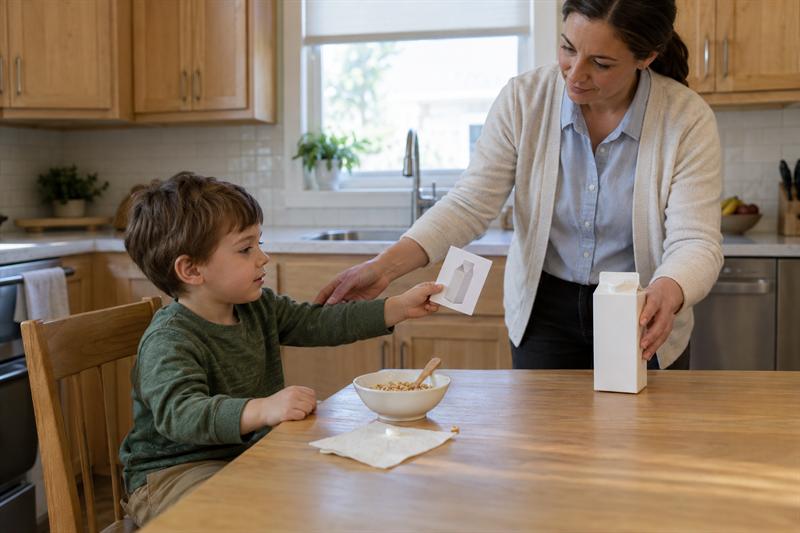
At Strive ABA Consultants LLC, families often ask about the same pattern: a skill shows up in session, but falls apart during breakfast, transitions, school handoff, or errands. That gap does not necessarily mean the skill was never learned. More often, it means the...

by striveabaconsultants | Oct 7, 2026 | ABA Therapy
At Strive ABA Consultants LLC, this is a pattern families regularly bring up: a child gets through school, makes it to pickup, and then the routine starts to unravel once the afternoon depends on a grandparent, sitter, or another rotating adult. The issue is usually...

by striveabaconsultants | Oct 7, 2026 | ABA Therapy
At Strive ABA Consultants LLC, this is a point where programs can start to lose consistency without realizing it. A new RBT gets scheduled quickly, basic orientation is completed, and everyone assumes the case is covered. Then concerns start to show up in prompting,...
by striveabaconsultants | Oct 7, 2026 | ABA Therapy
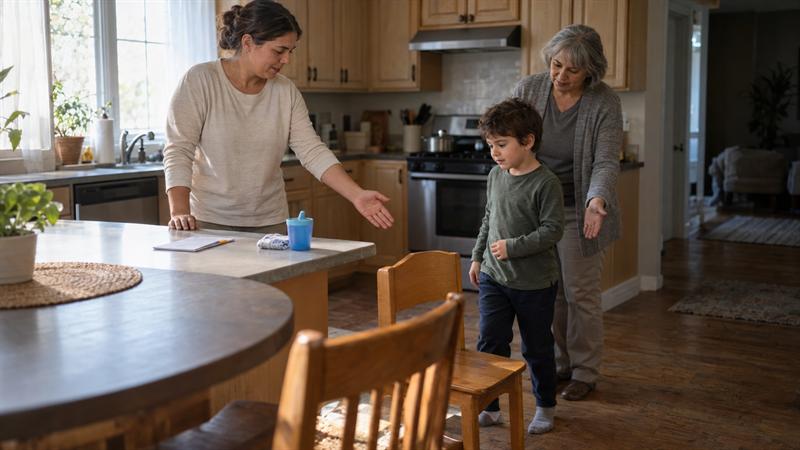
Quick Answer: Caregiver consistency in ABA support often breaks down when multiple adults handle the same routine in different ways. A workable plan helps by defining a few shared cues, responses, transition steps, and priority routines so support is clearer across...

by striveabaconsultants | Oct 7, 2026 | ABA Therapy
At Strive ABA Consultants LLC, many families reach a point where they can see the gap between starting services and feeling confident about how those services fit into everyday life. The first month of ABA is usually less about dramatic change and more about building...
by striveabaconsultants | Oct 7, 2026 | ABA Therapy
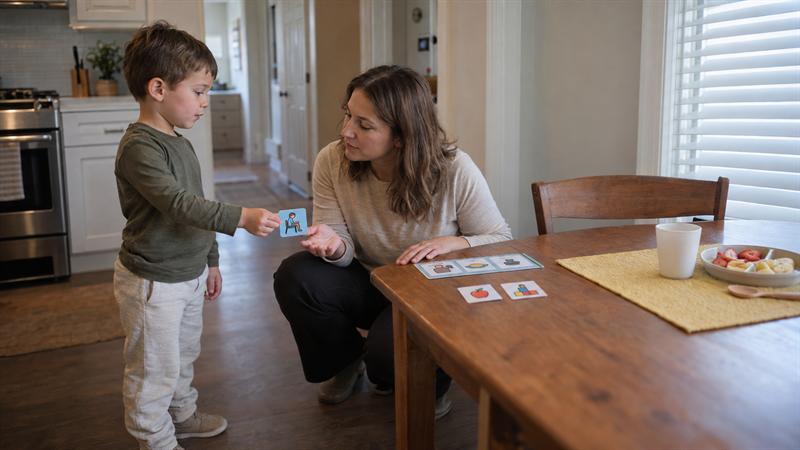
Quick Answer: Self-advocacy skills can be harder for autistic children to use during routines when they have a need but do not have a clear, reliable way to communicate it. In daily life, self-advocacy is often built by teaching children how to ask for help, make...