
by striveabaconsultants | Oct 1, 2026 | ABA Therapy
For many families, this is the stage when familiar outings start to feel different. A child who managed short community routines in earlier years may begin to struggle when those same routines involve longer wait times, less structure, more social pressure, and more...

by striveabaconsultants | Oct 1, 2026 | ABA Therapy
For many families, this is where the gap becomes obvious. AAC may work better at home or school, but once an outing starts, the device can be harder to reach, the pace gets faster, and communication may drop right when the child needs it most. At Strive ABA...

by striveabaconsultants | Oct 1, 2026 | ABA Therapy
At Strive ABA Consultants LLC, families and school teams often need help with this exact challenge. The hardest parts of the day are not always the biggest events. More often, they are the repeated routine moments where directions get lost, transitions break down, and...

by striveabaconsultants | Oct 1, 2026 | ABA Therapy
Families, schools, and care teams often mix up these two terms because both can involve interviews, observation, and data collection. At Strive ABA Consultants LLC, this is a common point of confusion when a child is struggling, everyone agrees support is needed, but...

by striveabaconsultants | Oct 1, 2026 | ABA Therapy
Schools, care programs, and ABA teams usually look at staff coaching when the same problems keep repeating. Staff have been trained. A plan exists. Everyone agrees on the goal. But support still varies from one classroom, shift, or team member to the next. At Strive...

by striveabaconsultants | Oct 1, 2026 | ABA Therapy
At Strive ABA Consultants LLC, this is a pattern that comes up in conversations with schools and care programs: a written plan exists, support is assumed to be in place, and results still feel uneven. In many cases, that points to an implementation review before the...

by striveabaconsultants | Oct 1, 2026 | ABA Therapy
Why bringing the right information matters An ABA evaluation is usually most useful when the evaluator can understand what daily life looks like across home, school, and other settings. Records help, but records alone do not tell the full story. The clearest picture...

by striveabaconsultants | Oct 1, 2026 | ABA Therapy
Why an ABA Setting Transition Can Feel So Disruptive When ABA moves from one setting to another, families often feel like everything is changing at once. The place changes, the routine changes, the adults involved may change, and expectations can look different right...
by striveabaconsultants | Oct 1, 2026 | ABA Therapy
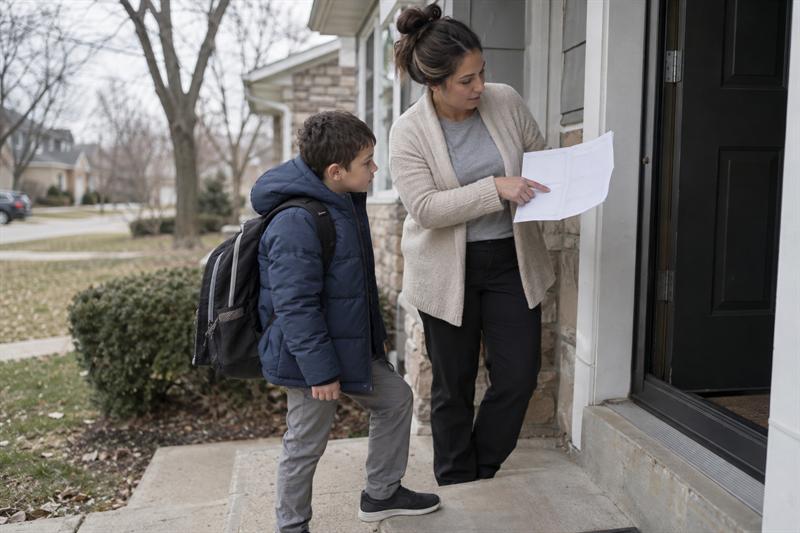
At Strive ABA Consultants LLC, a common starting point is a family that knows the day is not going smoothly, but the hard parts are spread across too many moments to describe clearly. Mornings can feel rushed, after-school transitions may fall apart, public outings...

by striveabaconsultants | Oct 1, 2026 | ABA Therapy
When a school raises concerns or a family sees the same problems showing up across routines, the next meeting can feel high stakes. At Strive ABA Consultants LLC, this is often the point where caring adults need a clearer structure so the conversation leads to...