
by striveabaconsultants | Oct 14, 2026 | ABA Therapy
What prompting means in ABA Prompting in ABA is a teaching support. It helps a learner start, complete, or respond to a task more successfully while the skill is still being learned. In simple terms, a prompt is the extra help given before or during a response. That...

by striveabaconsultants | Oct 14, 2026 | ABA Therapy
Families often run into the same problem: several ABA providers sound similar, but the real differences are buried in the details. At Strive ABA Consultants LLC, families often reach out when they are close to starting services and want to avoid finding out later that...

by striveabaconsultants | Oct 14, 2026 | ABA Therapy
What Are Life Skills in ABA? Life skills in ABA are practical, everyday skills that help a person participate more independently at home and in the community. These goals are chosen because they affect real routines like getting dressed, washing hands, leaving the...

by striveabaconsultants | Oct 14, 2026 | ABA Therapy
Why this decision feels harder than it sounds Families are often told a child needs “social skills support,” but that phrase can point to two different kinds of help. A social skills group gives a child a place to practice with peers. Individual ABA gives a child...

by striveabaconsultants | Oct 14, 2026 | ABA Therapy
Families usually reach this decision after an assessment, a school recommendation, or an early conversation about services. That is often where the confusion starts. Both options can sound reasonable, but the decision becomes clearer when the focus shifts to three...

by striveabaconsultants | Oct 14, 2026 | ABA Therapy
Quick Answer: Many families hear “BCBA” and “RBT” before anyone clearly explains who is responsible for what. A BCBA generally evaluates needs, creates and updates the treatment plan, and supervises services, while an RBT generally provides direct one-on-one ABA...

by striveabaconsultants | Oct 14, 2026 | ABA Therapy
At Strive ABA Consultants LLC, this is one of the first questions many families and school teams ask. They are not looking for a broad definition of ABA. They want to know what the visit will look like, what the clinician will be paying attention to, and what it means...

by striveabaconsultants | Oct 14, 2026 | ABA Therapy
At Strive ABA Consultants LLC, this is one of the most common questions families face early in services. A child may be struggling in several places at once, but that does not mean one team should lead every part of the situation. Why families get mixed messages about...
by striveabaconsultants | Oct 14, 2026 | ABA Therapy
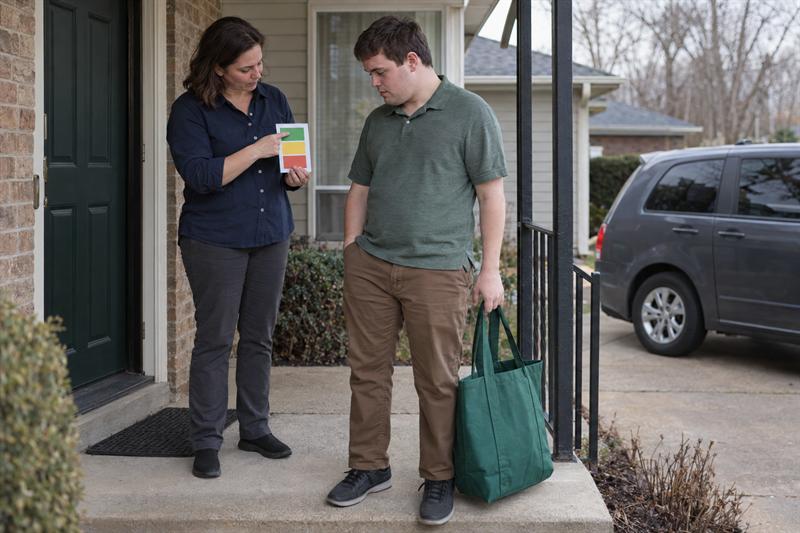
At Strive ABA Consultants LLC, this pattern can come up in everyday support planning: an adult manages parts of an outing, but the routine still breaks down around transitions, waiting, timing, or unclear expectations. Over time, that can lead to fewer outings, more...

by striveabaconsultants | Oct 14, 2026 | ABA Therapy
For many families, the confusion starts when the term comes up in a school meeting, an evaluation, or a referral and sounds more technical than useful. At Strive ABA Consultants LLC, this is a common point of confusion: the label comes first, but the practical...