by striveabaconsultants | Oct 1, 2026 | ABA Therapy
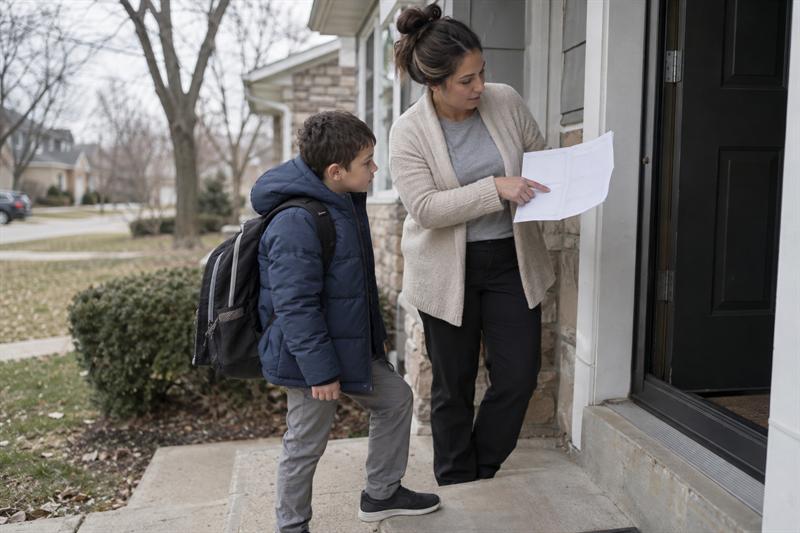
At Strive ABA Consultants LLC, a common starting point is a family that knows the day is not going smoothly, but the hard parts are spread across too many moments to describe clearly. Mornings can feel rushed, after-school transitions may fall apart, public outings...
by striveabaconsultants | Oct 1, 2026 | ABA Therapy
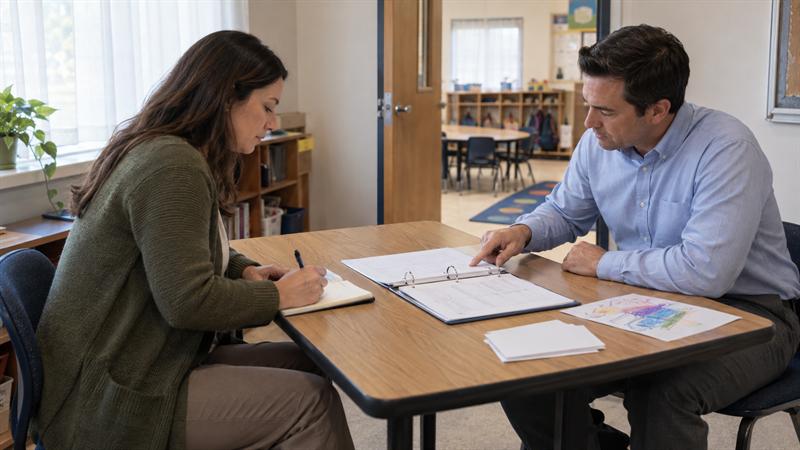
When a school raises concerns or a family sees the same problems showing up across routines, the next meeting can feel high stakes. At Strive ABA Consultants LLC, this is often the point where caring adults need a clearer structure so the conversation leads to...
by striveabaconsultants | Oct 1, 2026 | ABA Therapy
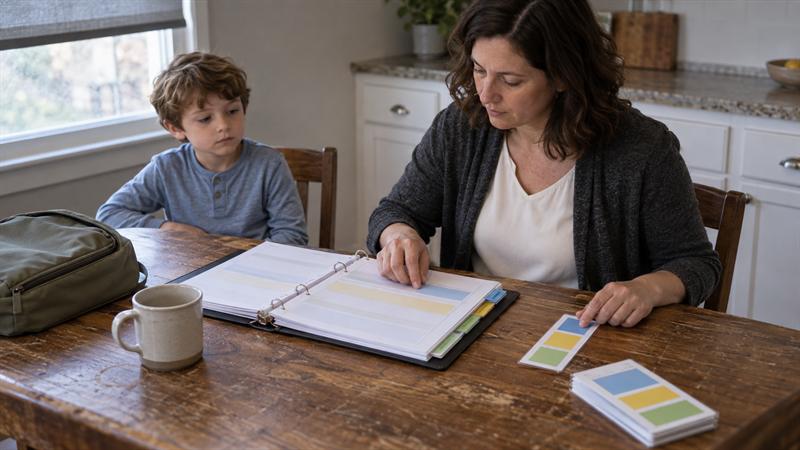
Quick Answer: An ABA reevaluation report should explain what changed since the last evaluation, why those changes matter, and what should happen next in treatment. If the report lists data or recommendations without clearly connecting them to daily functioning, goals,...
by striveabaconsultants | Oct 1, 2026 | ABA Therapy
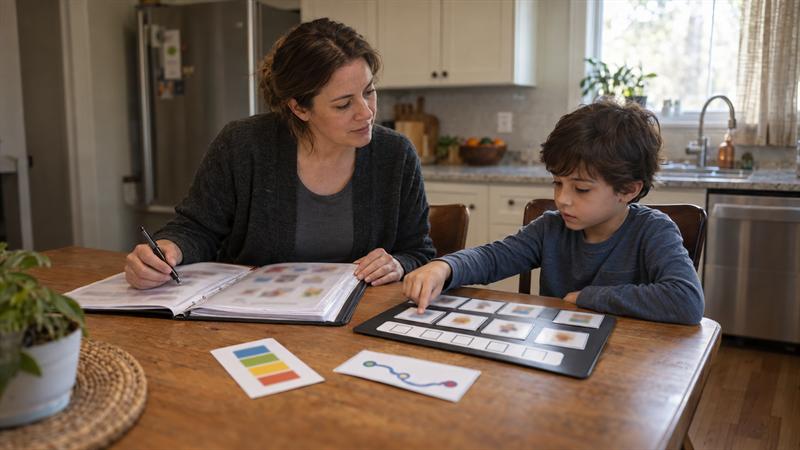
At Strive ABA Consultants LLC, this is a situation many families run into: a parent hears “ABA might help,” but leaves the conversation without a clear picture of what that actually means. That is often where delays begin. Families can lose time when they start...
by striveabaconsultants | Oct 1, 2026 | ABA Therapy
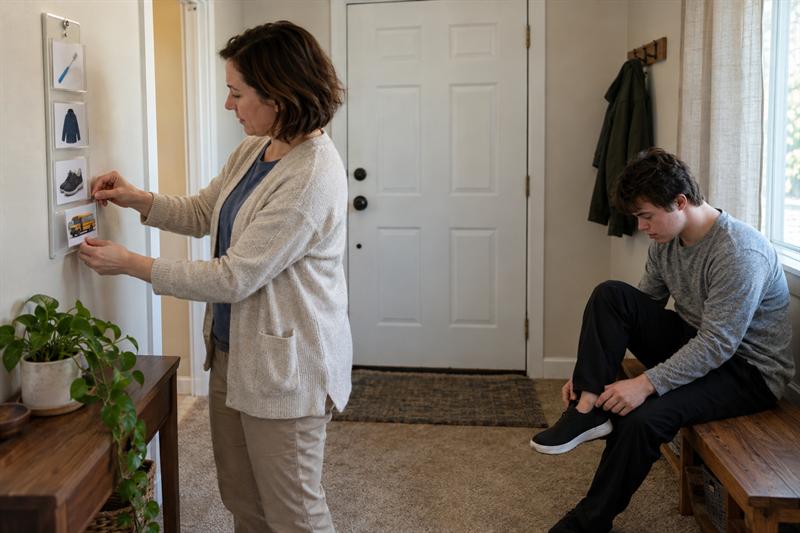
What support for an individual with IDD really means Support for an individual with IDD means helping daily life work better in practical, observable ways. That can include communication, routines, safety, daily living skills, independence, and participation at home,...

by striveabaconsultants | Oct 1, 2026 | ABA Therapy
At Strive ABA Consultants LLC, this pattern comes up in family routines again and again. The hardest part of the day usually is not the entire routine. It is the moment when one activity ends and another begins. Families looking for ABA transition support at home are...