by striveabaconsultants | Aug 19, 2026 | ABA Therapy
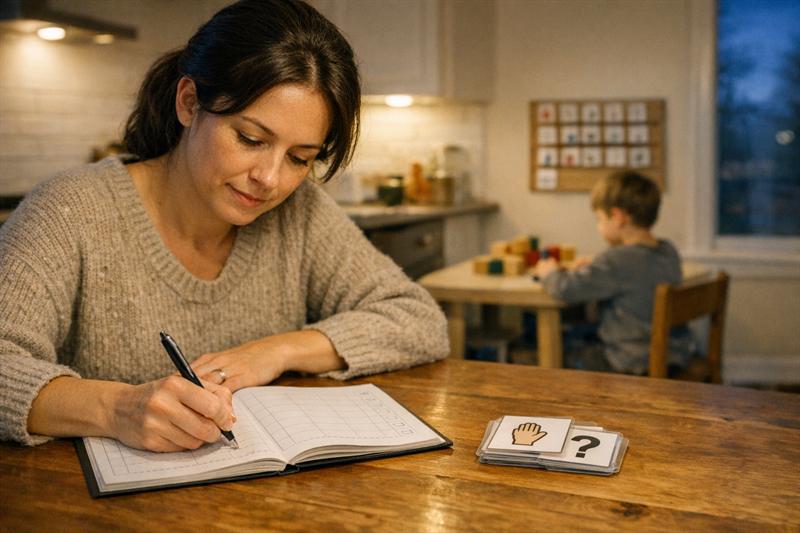
A child may ask for help easily at home but not use the same skill in class. They may follow a familiar routine during ABA therapy yet struggle when the school day moves quickly, peers are present, or expectations change. These differences do not mean anyone is doing...

by striveabaconsultants | Aug 19, 2026 | ABA Therapy
School breaks can be welcome, but they also remove many of the cues that organize a child’s day. When school, therapy times, transportation, meals, childcare, and familiar adults change at once, a child may be expected to manage a new routine without the supports that...
by striveabaconsultants | Aug 19, 2026 | ABA Therapy
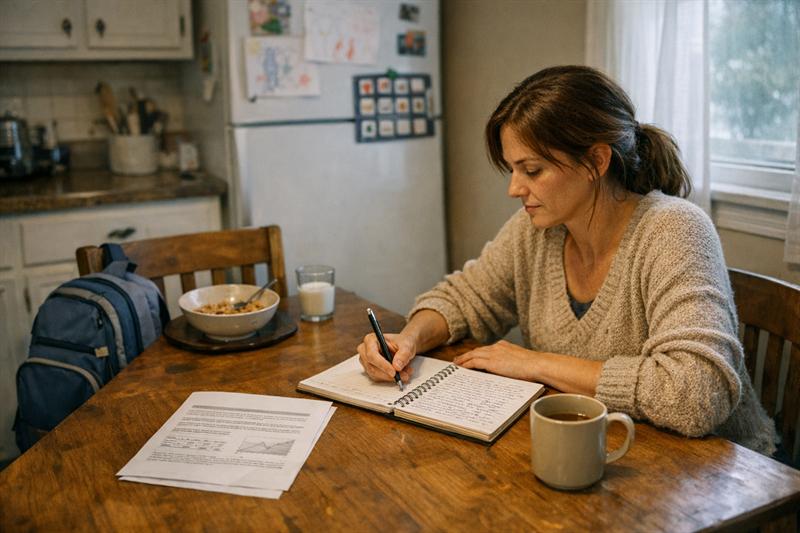
Quick Answer: Questions about ABA progress should focus on whether goals are meaningful, what the data shows, whether skills are carrying into daily life, and what the team plans to do next. If session updates sound positive but everyday routines are still difficult,...
by striveabaconsultants | Aug 19, 2026 | ABA Therapy
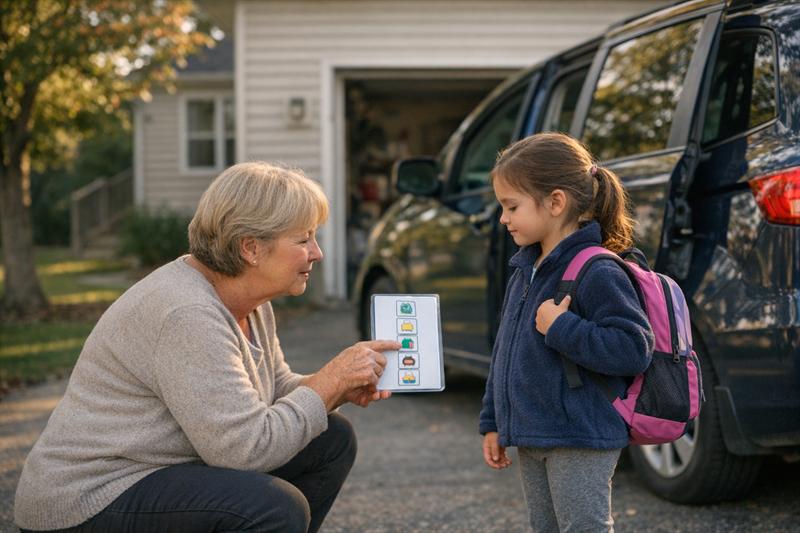
Why Caregiver Support Matters in ABA Therapy Caregiver support for ABA therapy helps a child encounter familiar expectations with more than one trusted adult. Communication, transitions, self-care, play, and coping skills occur throughout the week, not only during...
by striveabaconsultants | Aug 12, 2026 | ABA Therapy
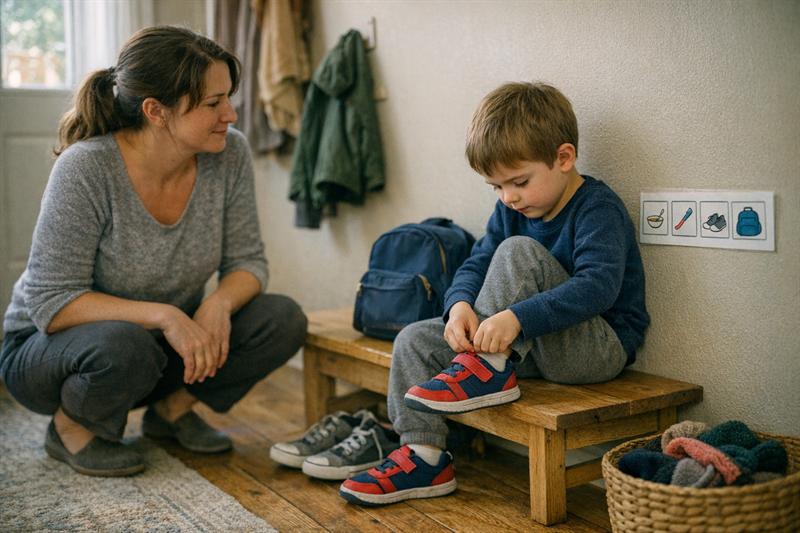
Quick Answer: Life skills training for children helps turn difficult daily routines into practical, repeatable skills that support greater independence at home, school, and in the community. The challenge is not simply that a child needs reminders. A skill may work in...