

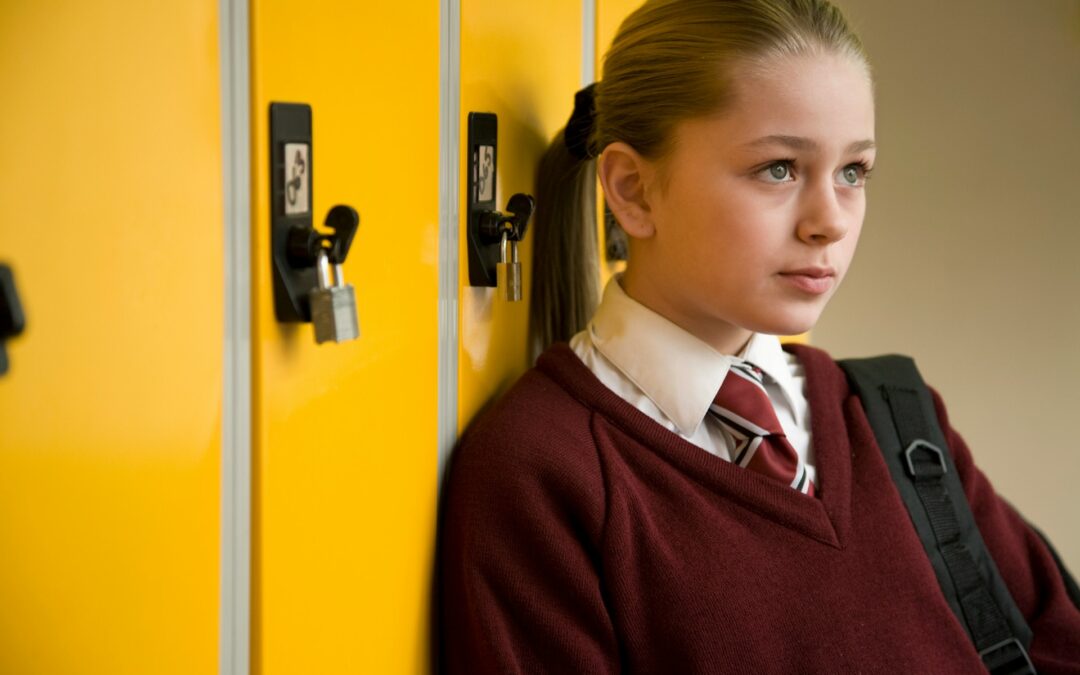
As winter ends and spring creeps in across Illinois, many teens face a shift that is harder to manage than it looks. Brighter skies and longer days can come with extra pressure, especially for teens with autism or developmental needs. School may ramp up, friendships might change, and expectations at home or in class often feel heavier this time of year. This is where guided support can make a noticeable difference.
Services like Adapt Psychological Services help teens tune into their thoughts and feelings without having to do it all on their own. When life feels big or unpredictable, having steady strategies in place can give structure to even the most unpredictable days. We often see how having space to talk and tools to practice helps teens in Illinois slowly feel more balanced and capable in their everyday routines.
Shifting Social and Emotional Needs During Late Winter
Late winter in Illinois tends to hang on. Some days warm up, hinting at change, but others stay gray and cold. That back and forth affects everyone, but for teens, it can take a bigger toll. With spring break still a few weeks out and school routines dragging on, motivation can dip low.
Many parents notice their teens seem moodier, more tired, or less interested in things they used to enjoy. For kids who already struggle with transitions or social demands, this season can be especially draining. We often see:
- More social withdrawal or avoidance
- Loud or sudden emotional outbursts at home and school
- Resistance to even small changes in routine
During this stretch before spring fully arrives, it helps to have predictable weekly touchpoints. When a teen knows they have a familiar place to sort through what is going on, it becomes easier to manage the ups and downs. Support from structured psychological services offers that sense of rhythm right when things feel most off balance.
How Support Services Help Teens Build Self-Awareness
One of the most helpful things we can do for a teen is teach them to slow down and notice what they are actually feeling. That sounds simple, but it takes practice. For a teen who might only show anger or frustration on the surface, there is often a lot more going on underneath.
Adapt Psychological Services works with teens using tools they can actually use, things like feelings charts, discussion prompts, or guided questions that match how they think. We do not expect deep emotional processing all at once. The goal is slow progress, getting better at naming thoughts, noticing patterns, and asking for help in safe, direct ways.
Over time, this kind of consistent support builds the foundation for better coping and better relationships. Some teens get more comfortable saying what they need before a meltdown happens. Others learn to check in with themselves before jumping to conclusions in social situations. That inner voice, developed slowly through support, becomes stronger and more helpful.
Inside the Structure of a Teen-Focused Session
Sessions can look a little different depending on the teen’s age, comfort level, and current stress. But in general, there is a mix of talking, skill-building, and some kind of visual or hands-on step to pull it all together.
That could mean:
- A short, goal-based discussion about a schoolday trigger
- Role-playing or reviewing a recent peer interaction
- Using a visual schedule or regulation tool
- A few minutes to practice calm breathing or mindfulness
Teens do not always walk in ready to talk. That is okay. The structure we build includes flexibility for quiet moods, high energy days, or kids who are still figuring things out. If something happened that morning, an argument at school, a hard test, or a shutdown at home, sessions can shift to support that specific situation.
Social learning, when included, might happen in groups or one student at a time, depending on what each teen is ready for. Some learn better next to peers, while others need calm space before engaging with anyone else. Either way, structure and choice are both part of the plan.
Involving the Family Without Taking Over
Teen growth does not happen in a vacuum. Support gets stronger when everyone involved understands the tools being used. That does not mean parents have to be in every session, just that communication stays open, consistent, and respectful on all sides.
We often invite caregivers to:
- Be part of early planning and goal setting
- Learn tools so they can be used at home in similar ways
- Ask questions about what is helping or what has been a struggle
Sometimes, family participation means checking in every few sessions. Other times, it involves sitting in for part of a session if a shared routine is being introduced. It is not about fixing the teen or stepping in to control every moment. It is about helping the teen feel supported across settings, so they are not learning one set of responses at therapy and hearing a completely different message at home.
When parents learn how to respond the same way we do during conflict or shutdowns, the teen begins to trust the process. That is when new patterns really start to stick.
Confidence That Grows With Clarity and Support
By the time mid-March hits in places like Chicago, Illinois, schools are holding more events, testing gets closer, and social plans pop up quickly. For teens who do not always feel calm and ready in social spaces, this season can be exciting and overwhelming at once.
What we often see is that over time, small changes in planning, self-expression, and problem-solving begin to turn into visible progress. A teen might feel brave enough to ask for time alone rather than storming off. Or they manage to stay in a group activity a little longer than last time. These are signs of steady, healthy growth.
Strive ABA Consultants includes Adapt Psychological Services as part of our broader offerings to support psychological needs, social skills, and daily routines for teens. Families in Chicago and throughout Illinois can benefit from therapy and strategies designed to fit each teen’s age, abilities, and goals.
Adapt Psychological Services helps make those changes possible by creating space for teens to move at their own pace while staying supported along the way. Trust builds through process, not pressure. With spring around the corner, we keep the focus steady, one skill, one moment, one stronger connection at a time.
Help your teen navigate the seasonal transitions with confidence and clarity. At Strive ABA Consultants, we incorporate Adapt Psychological Services to provide comprehensive support tailored to your teen’s unique needs. Our approach ensures they have the structure and emotional tools needed to manage school pressures and social changes. Reach out to us today to explore how we can support your family’s journey.