by striveabaconsultants | Oct 7, 2026 | ABA Therapy
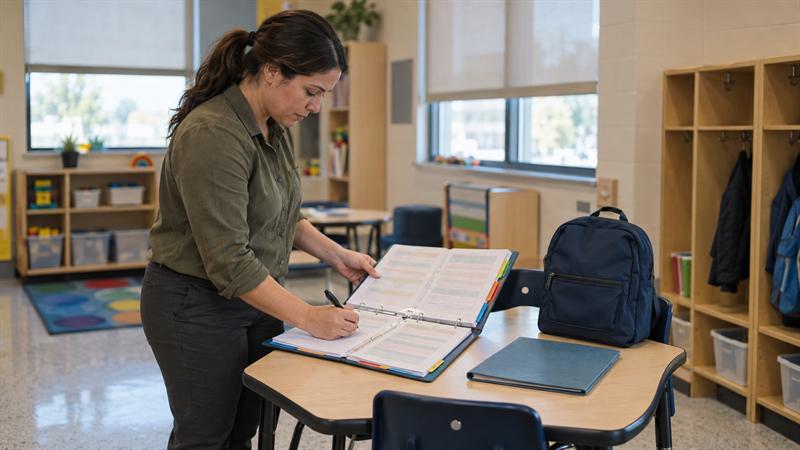
Why documentation affects consistency more than many teams realize Documentation is often treated like an administrative task. In practice, it can shape whether services are carried out the same way from one staff member to the next. When key details are hard to find,...
by striveabaconsultants | Oct 7, 2026 | ABA Therapy
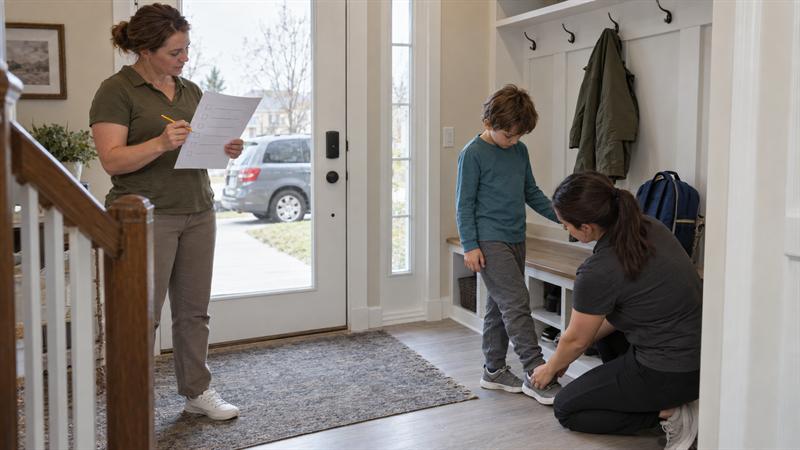
Quick Answer: ABA consulting services are used when support is breaking down across routines, staff responses, or environments, not just within one person’s therapy plan. ABA consulting focuses on identifying those breakdowns and building practical, consistent support...
by striveabaconsultants | Oct 1, 2026 | ABA Therapy
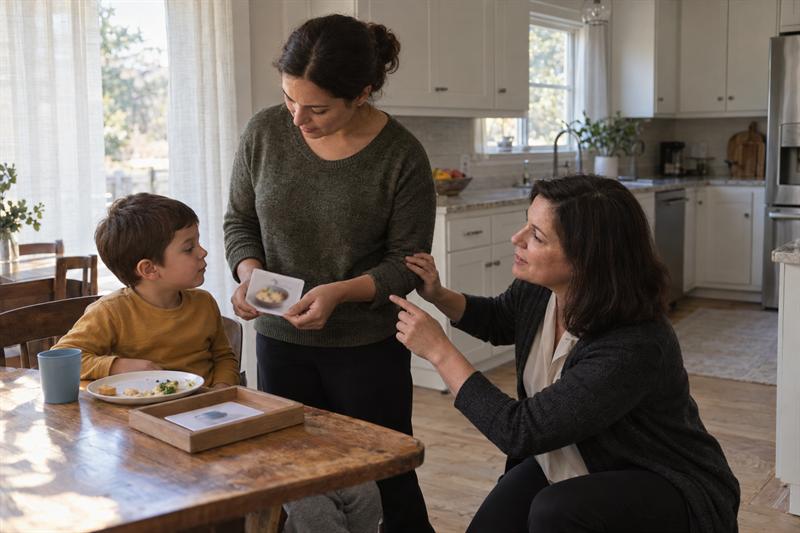
What parent training in ABA actually means A simple definition in plain language Parent training in ABA is a service that teaches caregivers how to support a child’s goals during everyday routines such as transitions, play, meals, dressing, communication, and...

by striveabaconsultants | Oct 1, 2026 | ABA Therapy
At Strive ABA Consultants LLC, this is a common family concern once services start affecting the whole household. A sibling may notice a therapist coming to the home, a parent leaving for appointments, or one child getting more support. The first question is often not...

by striveabaconsultants | Oct 1, 2026 | ABA Therapy
For many families, this is the stage when familiar outings start to feel different. A child who managed short community routines in earlier years may begin to struggle when those same routines involve longer wait times, less structure, more social pressure, and more...
by striveabaconsultants | Oct 1, 2026 | ABA Therapy
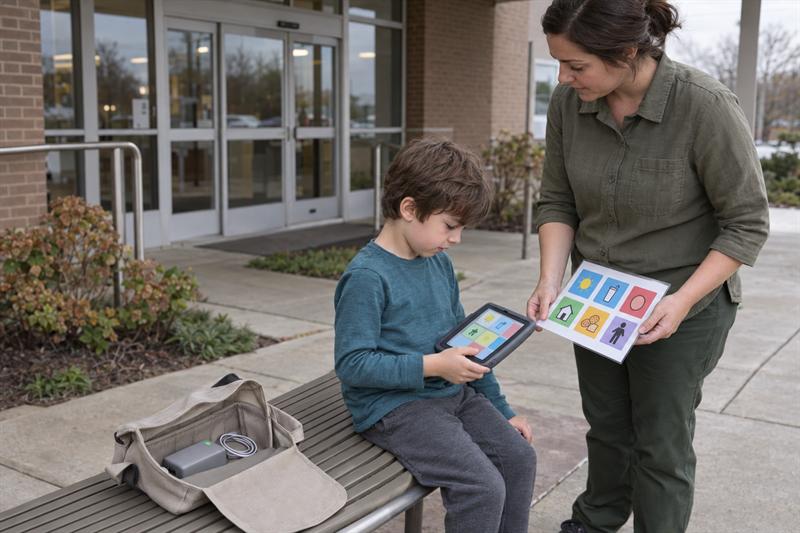
For many families, this is where the gap becomes obvious. AAC may work better at home or school, but once an outing starts, the device can be harder to reach, the pace gets faster, and communication may drop right when the child needs it most. At Strive ABA...