

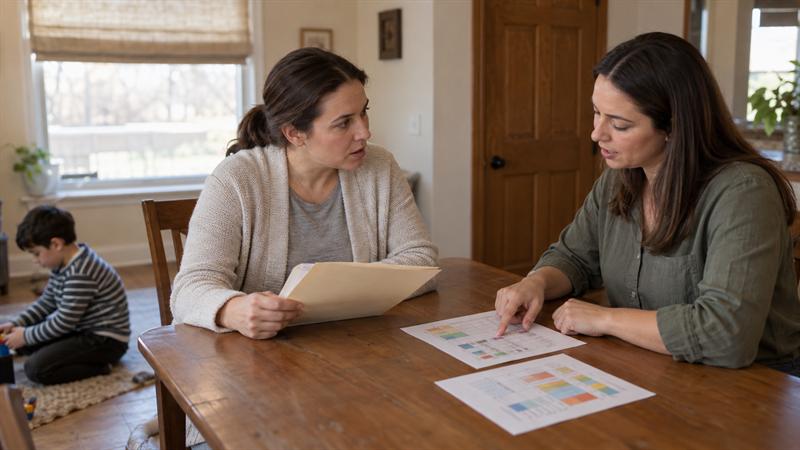
At Strive ABA Consultants LLC, this is a common point of confusion for families after services begin. They know a BCBA is part of the team, but they are not always sure what that involvement should look like over time or what should happen when progress feels unclear.
That confusion matters. If families do not understand how supervision works, it becomes harder to evaluate provider quality, follow goal changes, and know when to raise a concern. This article explains what BCBA supervision in ABA typically includes, how communication should work, and what families should ask when the process feels too vague.
Why BCBA supervision matters in ABA therapy
A BCBA does more than approve services or appear in documentation. BCBA supervision shapes how goals are selected, how progress is reviewed, and how changes are made when a child is not responding to the current plan as expected.
For families, strong supervision often shows up as clarity, consistency, and decisions that make sense. Weak supervision may show up as vague updates, goals that feel disconnected from daily life, and uncertainty about who is guiding the treatment plan.
If you need a clearer picture of who does what on the team, BCBA, RBT, and the roles on your child’s ABA team provides a helpful foundation.
The BCBA’s role in assessment, planning, and oversight
BCBAs typically assess needs, develop or guide treatment plans, review data, and adjust strategies over time. RBTs usually provide direct therapy and carry out the plan under supervision. Those roles work together, but they are not the same.
This distinction is where many families get stuck. A common pattern is hearing frequent feedback from the RBT while getting very little explanation about the bigger treatment decisions behind the sessions. That can create confusion because daily updates and clinical oversight are not interchangeable.
Why supervision affects progress, consistency, and family confidence
Supervision connects individual sessions to the larger plan. It helps keep goals relevant, teaching strategies consistent, and concerns from home or school reflected in treatment decisions.
This is also where family confidence is built or lost. When supervision is clear, families are better able to understand what is improving, what is still difficult, and what is changing next. When supervision is unclear, therapy may start to feel repetitive, and trust can drop over time.
What BCBA supervision usually includes
BCBA supervision is not one event. It is an ongoing process that often includes reviewing data, observing sessions, coaching the RBT, updating goals, and discussing progress with caregivers.
Families will not see every part of that process directly. Still, they should be able to understand how oversight is happening. If supervision is active but hard to explain, families may still feel left out of the treatment process, and that often leads to frustration.
- Reviewing session data and trends
- Observing sessions and watching how strategies are used
- Coaching the RBT when implementation needs adjustment
- Updating goals and treatment strategies when progress changes
- Meeting with caregivers to explain progress and next steps
Reviewing session data and trends
Data review helps the BCBA look beyond one good day or one difficult session. The goal is to identify patterns over time, not make decisions based only on impressions.
This is something families often do not see clearly. A common problem is that data is mentioned but not translated. Raw numbers do not help much if no one explains what they mean for communication, routines, safety, or daily independence.
Observing sessions and coaching the RBT
Observation helps the BCBA see whether the plan is being carried out consistently and whether the teaching approach still fits the child’s current needs. Coaching helps improve how the RBT responds in the moment and how accurately strategies are used across sessions.
This is where problems can start when supervision is weak. If the BCBA is not observing enough to catch drift, small inconsistencies may turn into bigger treatment issues. That can result in slower progress, mixed implementation, and confusion for families.
Updating goals and strategies when needed
Goals should not stay static just because a schedule stays busy. If progress stalls, if a skill is becoming more independent, or if family priorities change, the plan often needs review.
This is something many families find confusing. Families may think no formal meeting means no review is happening, while some providers treat internal review as enough communication. The real issue is not only whether the BCBA looked at the plan. It is whether the family understands what changed, why it changed, and what that means going forward.
Meeting with caregivers to discuss progress and next steps
Caregiver communication is part of supervision, not an extra. Strong progress conversations connect therapy goals to daily life, including routines at home, school expectations, communication needs, or behavior patterns that families are actually dealing with.
When that connection is missing, updates may feel abstract. Families may hear that data is improving but still cannot tell whether mornings are getting easier, communication is becoming clearer, or transitions are becoming more manageable. That gap can lead to doubt about whether therapy is targeting the right things.
How often does a BCBA review a plan?
A BCBA reviews a plan on an ongoing basis, but the exact schedule is not the same for every child or every provider model. The better question is whether review is active, responsive, and explained clearly enough that the family understands how decisions are being made.
Some families expect a fixed universal timeline. In practice, review can happen through data analysis, observation, team discussion, and more formal progress updates. If the process is inconsistent or unexplained, treatment may continue while the family remains unclear.
Why there is not one universal schedule
Review cadence depends on the child’s needs, how intensive the services are, how stable or changing the goals are, and what is happening across home, school, or community settings. A child with rapidly changing behavior patterns may need a different pace of review than a child working through more stable skill-building goals.
This is where broad provider claims can sound reassuring without being very useful. “We review plans regularly” does not tell a family much. The more important issue is whether that review leads to understandable communication and visible follow-through.
Factors that may affect review frequency
- Recent changes in behavior or communication
- New goals or skills that are close to mastery
- Staff changes or shifts in service setting
- Transitions involving school coordination or reevaluation needs
These factors can change the pace and focus of review. For example, a new school routine or therapist change may require closer monitoring because progress can stall or behavior can shift if supports are not adjusted.
If a reevaluation is part of the next step, how to prepare your child for an ABA reevaluation can help families think through what to expect and what information matters most.
What families can ask if updates feel unclear
When updates feel too vague, the most useful questions make the review process more visible:
- How is progress being reviewed right now?
- When are goals formally discussed?
- Who explains plan changes and how those changes are decided?
These questions move the conversation from reassurance to process. If you want more guidance for that conversation, questions to ask about ABA progress during a progress review offers families a more detailed framework.
Who explains ABA progress to families?
Families may hear day-to-day updates from the RBT, but the BCBA typically explains broader treatment progress. That includes how progress is measured, what patterns matter, and why a goal is being changed, continued, or faded.
This distinction matters because many families think they are getting progress updates when they are really getting session summaries. Session summaries are useful, but they do not replace a broader explanation of progress over time.
What the RBT may share day to day
An RBT may share brief observations about how the session went, what routines were worked on, or whether a specific activity was easier or harder that day. That kind of information helps families stay connected to day-to-day treatment.
What it does not usually do is explain trends across time. If a family only receives session-level feedback, they may know what happened today but not whether the plan is working overall.
What the BCBA should explain clinically
The BCBA should be able to explain how progress is being measured, what the data is showing, and why certain goals or strategies are changing. That explanation should connect the treatment plan to practical outcomes families can recognize in daily life.
This is where expertise becomes visible. Strong BCBA communication does not just describe numbers. It explains what those numbers mean, what they are leading to, and what may need to happen next if progress is slowing or daily challenges are increasing.
What progress updates should sound like
Clear progress updates connect data to real skills. Instead of only saying a percentage improved, the update should help the family understand what the child is doing more independently, what still requires support, and what the team is watching next.
This is important for confidence in the process. Vague reassurance may sound comforting for a moment, but it can leave parents with the same uncertainty they started with. Useful communication gives enough detail that families can follow the logic of the plan.
BCBA communication expectations families can reasonably have
Families should expect communication that is clear, understandable, and connected to treatment decisions. That does not mean constant updates. It means knowing who to contact, when bigger progress conversations happen, and how changes are explained.
When communication is too informal or too inconsistent, treatment quality becomes harder to evaluate. This is where families may start feeling like they have access to sessions but not access to the thinking behind them.
Clear points of contact
Families should know who handles scheduling issues, who answers treatment questions, and who explains broader concerns about the plan. If those roles are blurred, concerns can be delayed and important issues may bounce between people without a clear answer.
This often gets worse when a family brings up a problem and no one takes ownership of the response. When that happens, even small concerns can turn into bigger trust issues.
Regular opportunities to ask questions
Questions are easier to ask when communication is built into the process instead of being saved for a moment of frustration. Families often do better when they know there is a defined space for discussing goals, progress, and daily concerns.
A common pattern is waiting too long because parents do not want to seem difficult. By the time they raise the issue, confusion may already have built for weeks or longer. That delay can make the conversation harder than it needed to be.
Explanations that connect data to real-life goals
Families need to know why progress matters beyond a chart. Strong communication links treatment data to daily routines, functional communication, social interaction, school participation, or independence at home.
If that explanation is missing, progress may start to feel disconnected from real life. This is where families may begin to question whether the goals on paper match the problems they actually need help solving.
Collaboration around home, school, or behavior changes
When routines change, behavior changes, or new school demands appear, communication should adjust with them. Those shifts are usually not side issues. They are often part of why the plan needs closer review in the first place.
If support needs to carry across environments, a parent guide to ABA home-school communication for shared goals offers a useful next layer of planning.
If you are seeing these signs, the issue may need direct clarification from the BCBA or provider team:
- You hear session updates but still cannot explain how progress is measured
- Goals change, but no one clearly explains why
- Home or school concerns keep coming up without a visible adjustment to the plan
- You are not sure who is supposed to answer treatment questions
When those patterns are present, the problem may no longer be just communication style. The supervision process may need to be clarified.
Questions about BCBA supervision families can ask
The best questions are the ones that make the process visible. Families do not need technical jargon to understand whether a provider is supervising well. They need practical answers about how decisions are made, how progress is reviewed, and how concerns are handled.
Better questions usually lead to better clarity. Broad questions tend to get broad answers. Specific questions can reveal whether supervision is structured, thoughtful, and responsive.
Questions before starting services
- How is BCBA supervision handled?
- How are goals reviewed and updated?
- How are parents updated on progress?
- Who should families contact with treatment questions?
These questions help families compare providers on something more meaningful than credentials alone. This is often where important differences appear between teams that provide services and teams that also explain their process clearly.
Questions during ongoing therapy
- How is progress being reviewed right now?
- What changes, if any, are being considered to the plan?
- How are home concerns being incorporated into goals or strategies?
These questions are especially useful when therapy has been running for a while and the family wants to understand whether the plan is still moving in the right direction. If answers stay vague, that may signal a larger communication gap that should not be ignored.
Questions if progress or communication feels unclear
- Can you walk me through how progress is being measured?
- When was the plan last reviewed, and what came out of that review?
- Who should explain changes in goals or strategies?
These questions matter because they can uncover whether the family is missing information or whether the provider’s process itself is too hard to follow. That distinction changes what may need to happen next.
Signs supervision is active and thoughtful
Strong supervision leaves patterns families can recognize. It does not depend on vague assurances that someone is “monitoring things.” It shows up in communication, in plan changes that make sense, and in how the team responds when needs shift.
When those patterns are missing, families often feel it before they can name it. Therapy may start to feel busy but unclear. That can be one sign that supervision needs a closer look.
What strong supervision may look like in practice
- Goals are discussed in understandable terms
- Questions get clear responses
- Changes in behavior or routine lead to thoughtful review
- The family understands who is responsible for what
- Communication connects therapy to everyday life
These are visible signs that oversight is active and being communicated well enough for the family to follow it.
When families may want more clarity
- Progress is discussed vaguely or inconsistently
- Plan changes are not clearly explained
- The BCBA’s role feels hard to access or understand
- Questions about goals do not get a direct answer
This is where problems can get worse if nothing changes. Unclear supervision can lead to unclear expectations, and unclear expectations can lead to frustration, reduced trust, and weaker follow-through across home and therapy settings.
How this fits into choosing the right ABA provider
Families often start with credentials, location, or schedule. Those things matter, but they do not tell the whole story. Supervision quality and communication practices shape what treatment actually feels like over time.
This is something Strive ABA Consultants LLC takes seriously because provider fit is not only about whether services begin. It is also about whether families can understand the plan, participate in the process, and recognize when progress needs a different approach.
For some families, this conversation also overlaps with evaluations or reevaluations. If updated documentation or a new review is still part of the picture, that may affect what kind of provider support makes the most sense next.
Key Takeaways
- BCBA supervision should be active enough to guide treatment and clear enough that families understand it.
- RBT updates and BCBA progress explanations serve different purposes.
- Good supervision is not just about frequency. It is also about review, interpretation, communication, and follow-through.
- When updates feel vague, specific questions may reveal whether the process is strong or whether clarity is missing.
- If communication stays unclear, treatment quality becomes harder to evaluate and family trust may drop.
Strive ABA Consultants LLC’s approach
At Strive ABA Consultants LLC, the goal is not just to help families access ABA-related support. It is also to help them understand what quality oversight should look like so they can make better decisions at each stage of the process.
That includes families who are still navigating autism evaluations or reevaluations, families trying to understand what appointment comes next, and families who want clearer expectations around treatment planning and communication. A practical, plain-language approach can matter here because confusion around supervision may delay good decisions.
If you are still sorting out where you are in the process, which ABA appointment is next: consultation, assessment, reevaluation, or first session can help connect the bigger picture.
Conclusion
The real issue is not simply whether a BCBA is assigned to the case. It is whether supervision is active, understandable, and connected to meaningful treatment decisions. When that does not happen, families may be left with sessions in motion but very little clarity about whether the plan is working or changing in the right way.
When that issue is not addressed, confusion can build into mistrust, concerns may go unaddressed longer than they should, and progress can become harder to interpret. Strive ABA Consultants LLC can be a practical next step for families who want clearer guidance around ABA evaluations, reevaluations, and what strong oversight should look like.
FAQ
How often should a BCBA supervise ABA therapy?
There is not one single supervision schedule that applies to every ABA program. The pace depends on the child’s needs, the intensity of services, how stable or changing the goals are, and what is happening across home, school, or community settings.
What matters more is whether the review process is active and understandable. For example, a family might not see the BCBA at every session, but strong supervision can still include regular data review, direct observation at appropriate times, coaching for the RBT, and clear communication when goals or strategies are changing.
Who is supposed to explain my child’s ABA progress?
Day-to-day updates may come from the RBT, but broader treatment progress is usually explained by the BCBA. The RBT may describe what happened in a session. The BCBA should explain what patterns are showing up across time and what those patterns mean for the treatment plan.
This distinction matters because many families receive frequent updates but still do not understand whether the plan is working overall. Session feedback is useful, but it is not the same as a broader explanation of progress.
What questions should parents ask about BCBA supervision?
The strongest questions are the ones that make the process visible. Families can ask how progress is reviewed, how often goals are discussed, who explains plan changes, and how home concerns are built into treatment decisions.
More specific questions often reveal more than broad ones. Asking “How do you decide when a goal should change?” gives a clearer picture than simply asking whether supervision exists.
Is it normal not to see the BCBA at every ABA session?
Yes. In many ABA service models, the RBT provides direct therapy while the BCBA supervises through observation, data review, treatment updates, coaching, and caregiver communication. Constant physical presence is not the standard that matters most.
The more useful question is whether the BCBA’s role is understandable and meaningful. If changes are explained clearly, questions get answered directly, and treatment decisions make sense, the BCBA’s involvement is usually active even when not visible every day.
What are signs of good supervision in an ABA program?
Good supervision usually shows up through patterns families can see. Goals are explained clearly, questions get direct answers, concerns from home or school lead to thoughtful review, and progress updates connect therapy to real-life routines.
That is different from vague reassurance. Strong supervision often feels organized and explainable. Families should be able to follow the logic behind the care, not just trust that someone is handling it behind the scenes.
What should I do if ABA progress updates feel unclear?
If progress updates feel unclear, the issue is usually not just missing information. It is missing interpretation. Families may be hearing pieces of the picture without hearing how those pieces fit together.
In that situation, the most useful next step is to ask how progress is being measured, when the plan was last reviewed, and who explains changes to goals or strategies. When communication is working well, families should be able to describe what is improving, what remains difficult, and what the team is watching next.