

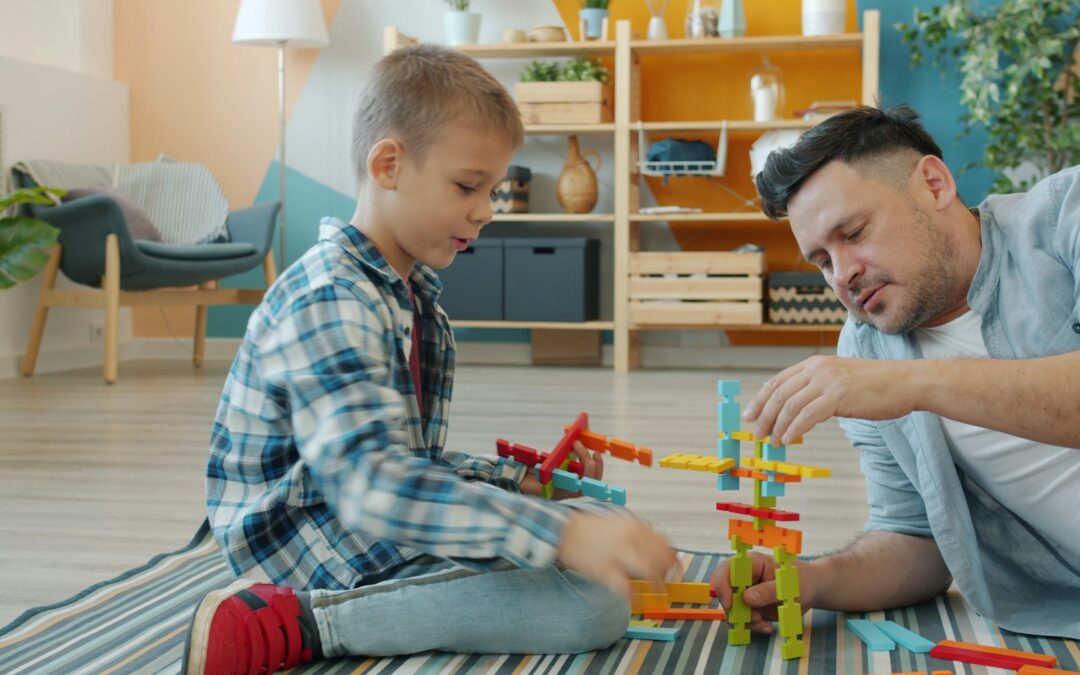
Spring in Indiana brings more light, warmer air, and a fresh sense of movement. For families who use ABA strategies at home, it can also spark questions about new ways to keep routines engaging. That shift in season makes it a good time to rethink home activities and explore how games can support consistent learning.
We often hear from parents who want ideas for how everyday play can line up with skills taught during therapy. The good news is that it doesn’t take fancy materials or complicated setups. Applied behavior analysis games can be simple, repeatable, and still meet important goals like communication, patience, and social problem-solving. These kinds of games help kids practice in real-life ways, quietly creating structure while still feeling like fun.
Using Familiar Games to Build Everyday Skills
Many traditional games already include a lot of helpful ABA-friendly elements. With just a little adjustment, they can support behavior goals without adding pressure.
- Matching games, like memory cards, support visual attention and focus
- Board games offer built-in chances for turn-taking, waiting, and following rules
- Games like charades or Simon Says help with impulse control and listening
What matters most is how the game is guided. We can gently reinforce positive actions (like waiting or asking for a turn) with quick praise or agreed-upon tokens. It also helps to set up clear start and end times so kids know what to expect. By using rules that are easy to understand and sticking with simple directions, familiar games feel safe while still strengthening important thinking and social skills.
Creating New Games Around ABA Goals
Not every home has shelves full of games, and that’s okay. Making up new games can be just as effective. What matters is that each game matches your child’s current skills and adds just enough challenge to support growth.
- Use kitchen chairs and blankets to build obstacle courses that follow step-by-step instructions
- Turn household items into pretend store games, where children ask for items using polite requests
- Make up a simple card game using pictures of emotions and talk about what each face might mean
These new games work best when we stick to structured formats, such as a beginning, a goal, and a way to know when the game is over. Visuals like printed symbols, small charts, or token boards can help make the rules visible. This is especially helpful for kids who feel more confident with pictures than spoken instructions.
Encouraging Social Practice Through Play
Spring can inspire more group play, especially with siblings or neighborhood kids active again. Playing games together, even for just a few minutes, offers a simple way to build social confidence.
- Try guessing games or partner games that involve asking questions or offering hints
- Set up short snack-time games where someone gets to be the “host” and practice offering or sharing
- Play simple role-playing games that mirror real-life activities like choosing what to wear, setting a table, or cleaning up
Let kids know that it’s okay if the first few rounds feel awkward. Social play is a skill, just like any other, and we see most success when the atmosphere is calm and the pressure stays low. That makes it easier for kids to take risks like asking for help or saying no, which are big steps in growing more secure in group settings.
Keeping Games Part of the Daily Flow
When games become part of the regular flow of the day, they’re more likely to stick. That could mean making time for a quick 10-minute game after school or using structured games as part of a quiet-down routine before bed.
- Keep a short list of two or three favorite games ready to play, depending on energy level and mood
- Let your child take the lead in choosing which game to play while guiding expectations around rules
- Use shorter versions of games on busy days to show consistency matters more than duration
The more predictable the games become, the more they feel like a routine rather than a chore. Over time, we notice that familiar games bring more comfort, cue regulation skills, and help ease harder parts of the day like transitions or unstructured hours.
When the Backyard Becomes the Gameboard
Indiana spring weather invites families to take things outside, and play can follow. Many indoor games can easily be adjusted for outdoor fun with a little creativity.
- Create relay races where each stop includes a small task like naming an animal, clapping, or jumping in place
- Use sidewalk chalk to draw game boards, hopscotch paths, or large emotion charts
- Turn scavenger hunts into learning games by adding “find something blue” or “find something soft” prompts
Being outside lowers noise levels and gives more space to move. That’s especially helpful for kids who find indoor spaces overwhelming or need room to handle high energy. Outdoor games can build the same skills but with more freedom, broken into parts that let the child take breaks or try again as needed.
Turning Play into Progress at Home
When we look at games through the lens of behavior support, they become more than just something fun to fill time. Small steps like asking for a turn, waiting patiently, or naming a feeling are big wins when they come through play.
Applied behavior analysis games help connect learning with real life in a way that feels doable, not too forced, not too open-ended. By keeping games simple, clear, and matched to where our kids are right now, we make room for steady growth.
We’ve seen how regular, relaxed play builds stronger self-control, better communication, and more predictable days at home. Those moments matter just as much as therapy sessions, and every round of structured play adds another layer to a more confident, connected routine.
Enhance your child’s learning through play with the right balance of structure and creativity. At Strive ABA Consultants, we specialize in integrating applied behavior analysis games into your daily routines, fostering growth in communication, patience, and problem-solving. Our methods are designed to fit seamlessly into Indiana families’ lives, ensuring steady progress and enriched family interactions. Reach out to see how we can help make each day a building block for long-term success.