
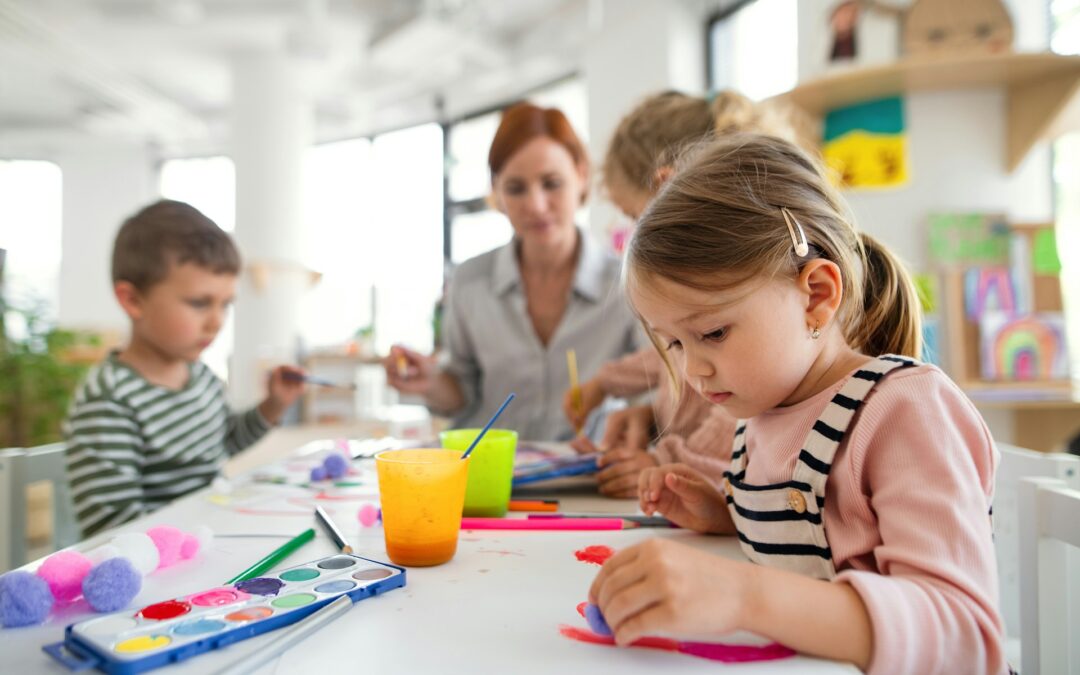
When a child builds social skills, they aren’t just learning how to talk with others. They’re learning how to share space, take turns, and feel more at ease around new people. These abilities shape how they move through a classroom, join group play, or express feelings at home. Through ABA therapy for social skills, children gain confidence one small step at a time. That process starts by meeting each child where they are and helping them feel safe while learning new ways to connect.
As winter winds down in Chicago and families settle back into everyday routines, children often long for more interaction. Being cooped up inside through cold, gray months can make it tough to stay motivated and socially curious. That’s where focused support with behavior and social learning can really help. We build around what children need now, using tried and tested ABA approaches that fit the season, the child, and the pace of everyday life.
Building Familiar Social Routines in Everyday Life
Most children learn best when they know what’s coming. That’s where social routines come into play. These are the everyday actions we all take without thinking, saying hi, waiting our turn, asking for a snack, but for many kids, these basics need to be taught clearly and repeated often. We help children practice with calm, clear guidance that meets them right where they are.
In places like indoor libraries, school classrooms, or backyard visits with bundled-up friends, opportunities begin to show up again as March approaches. For children living in Chicago, that change matters. The streets may still have slush, but more daylight means more outings. Each setting brings slightly different expectations and chances to try out new social habits.
We focus on small goals like:
- Learning to wait for a turn during a board game
- Greeting a friend at school drop-off
- Asking a sibling to share or play
These goals might seem simple on the surface, but they’re the building blocks of confidence. When children learn what works and see that others respond well, they begin to trust themselves.
Tools and Strategies That Support Social Growth
Every child learns in their own way. Some love pictures. Others respond to movement or sound. We use different tools to create learning experiences that stick. There’s no single method that works for everyone, but we’ve found that simple, consistent routines make a big difference.
For kids learning social behaviors, familiar tools often include:
- Visual cues like cards or symbols to guide actions
- Short scripts that offer ways to start a conversation
- Role-playing to practice real-life situations like joining a group or asking to play
For children who benefit from quiet repetition, we might use calm, one-on-one sessions focused on eye contact or basic requests. If a child thrives in more active settings, we might use a short game to encourage interaction and social turn-taking.
ABA therapy for social skills is not just about learning a new behavior, it’s about creating helpful patterns a child can carry outside of the moment. A learned skill needs to show up again in a class or family gathering to hold real value. The structure comes from repetition, the progress from flexible problem-solving.
Helping Children Handle Social Surprises and Setbacks
No plan goes perfectly every time, and social moments can be surprising. A friend might cancel. A game might end early. Someone might say something unexpected or use a different tone. For many children, these small changes can feel big. That’s why we work on helping them stay steady even when things shift.
We teach children how to recognize what they’re feeling and show it in a way others can understand. Emotional self-control becomes part of the skill-building process, right alongside eye contact or sharing. It’s not just about saying the right thing, it’s staying okay when plans change.
We start with one-on-one teaching and gradually step into more complex social settings. Once a child feels steady with an activity alone or with an adult, we slowly add another peer. Step by step, we build up the layers, always checking that the child isn’t feeling overwhelmed.
Support can move from:
- Practicing one social script with a therapist
- Using the same script with a parent during play
- Using it again with a classmate or sibling
This growth builds resilience. The next time a surprise pops up, the child has something solid to return to.
Working with Parents and Schools to Keep Progress Strong
Children grow fastest when the same lessons show up across different settings. A shared phrase at home and school helps a child connect the dots. That kind of unity helps skills last longer and feel more natural.
We stay in close touch with families and teachers to keep things steady. If something’s working well at school, like a picture schedule or a wait timer, we find ways to use the same idea at home. If a child is struggling with drop-off, we work together on preparing the setting, practicing the goodbye phrase, or using a calm-down strategy both places agree on.
These kinds of connections matter:
- Using the same calm-down card at home and school
- Practicing lunch social rules during dinner at home
- Sharing progress so teachers and parents support the same next step
Feedback matters too. Families notice when a child starts using more words to ask for things or handles frustration without a meltdown. Teachers may spot the same result in a different context. We listen closely to both and update the focus to stay helpful and timely.
Growth That Builds Confidence Over Time
Confidence isn’t something you wake up with one day. It’s built over time, one step at a time. For children learning to feel comfortable in social spaces, every successful moment counts. When they try something new and it works, the next risk feels a little less scary.
We build support around the child’s current pace, current attention span, and current needs. In Chicago, where March means indoor time still feels long and unpredictable weather can break routines, that kind of stability helps children feel secure. Our work keeps progress steady without rushing or stalling.
Confidence shows up when:
- A child raises their hand for the first time without help
- They greet a friend in the hallway without being asked
- They stay in a group activity longer than before
As those moments begin to stack up, children start leaning into new challenges instead of pulling away from them. That’s the real win, feeling sure enough to try again next time.
Empower your child with the confidence to connect and grow through social interactions. At Strive ABA Consultants, our specialized ABA therapy for social skills is designed to provide structure and support, helping your child thrive in important social settings. Reach out to us to learn how our personalized approach can make a meaningful impact on your child’s social journey in Chicago, IL.